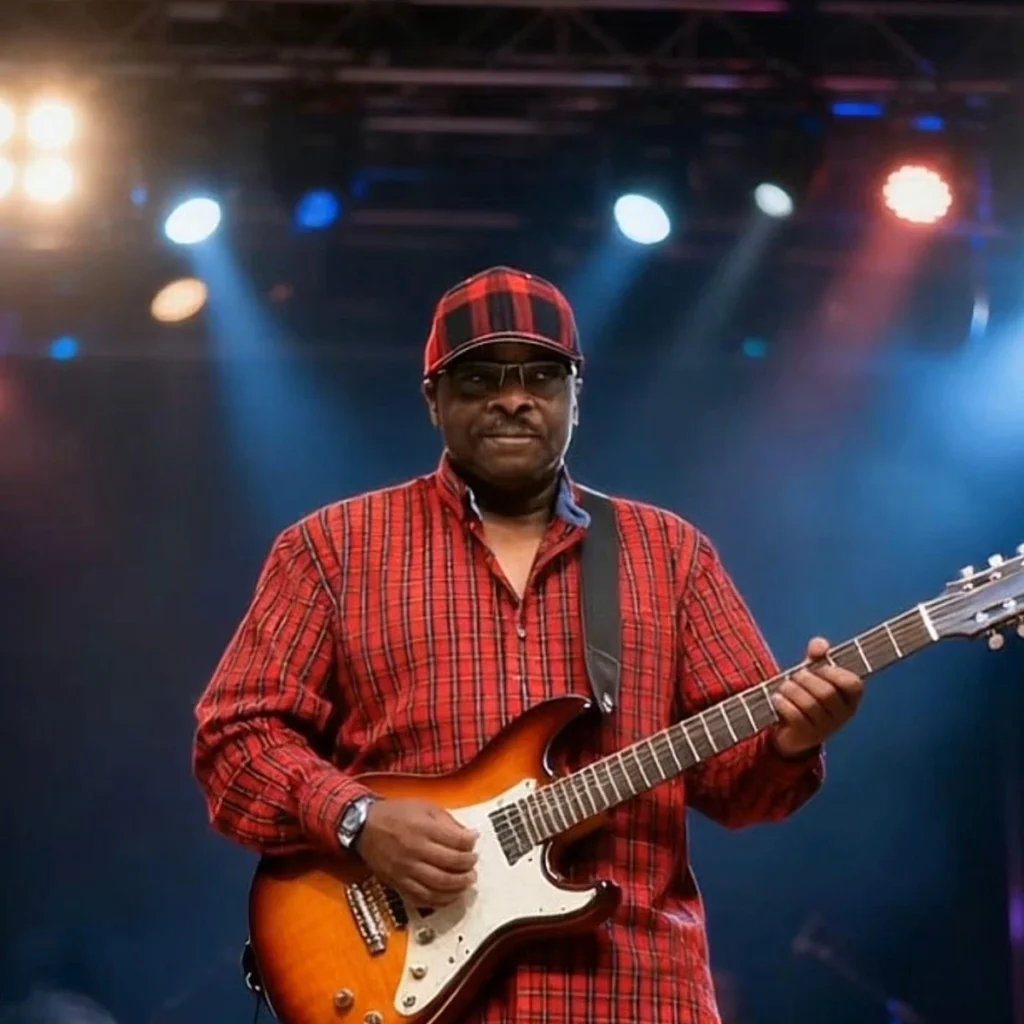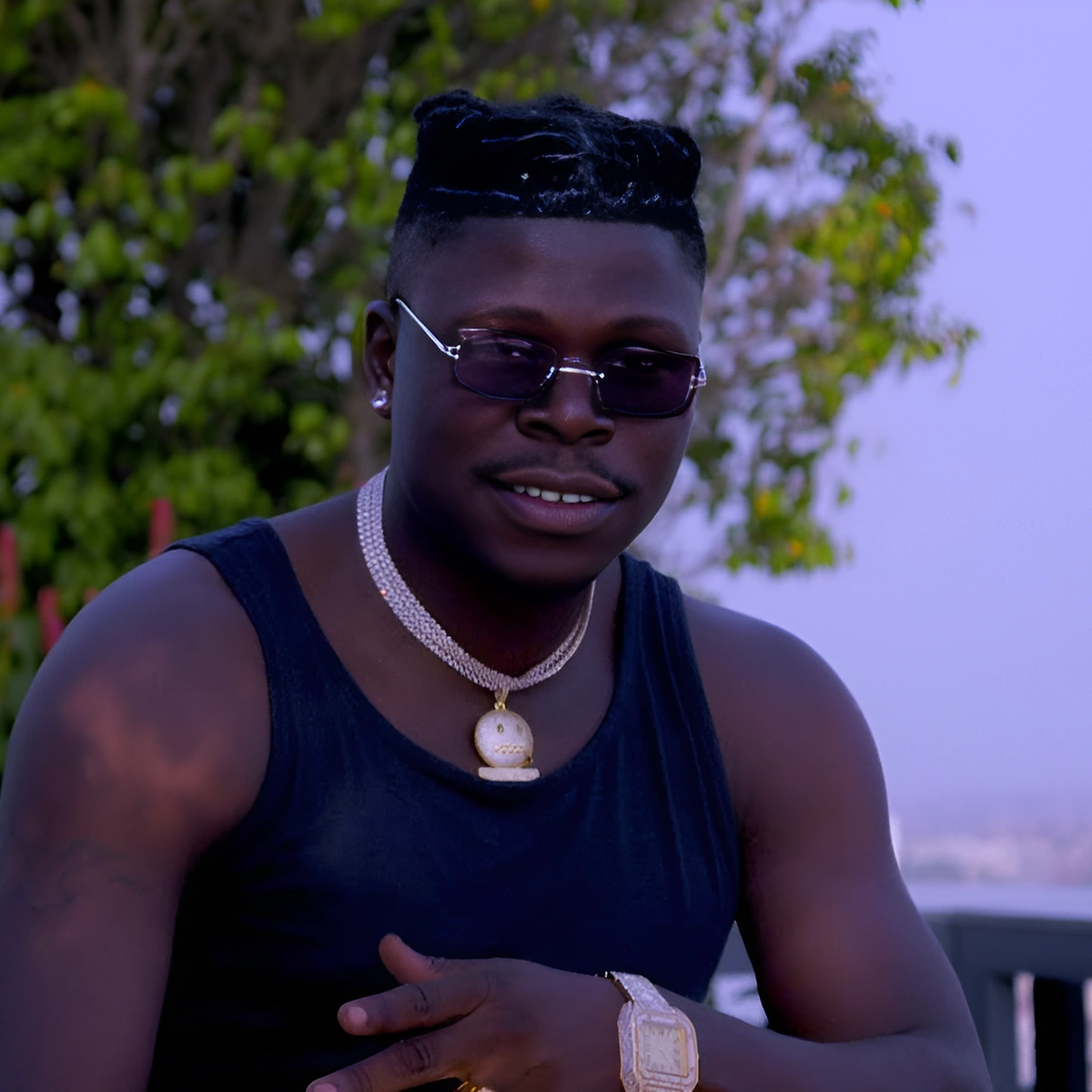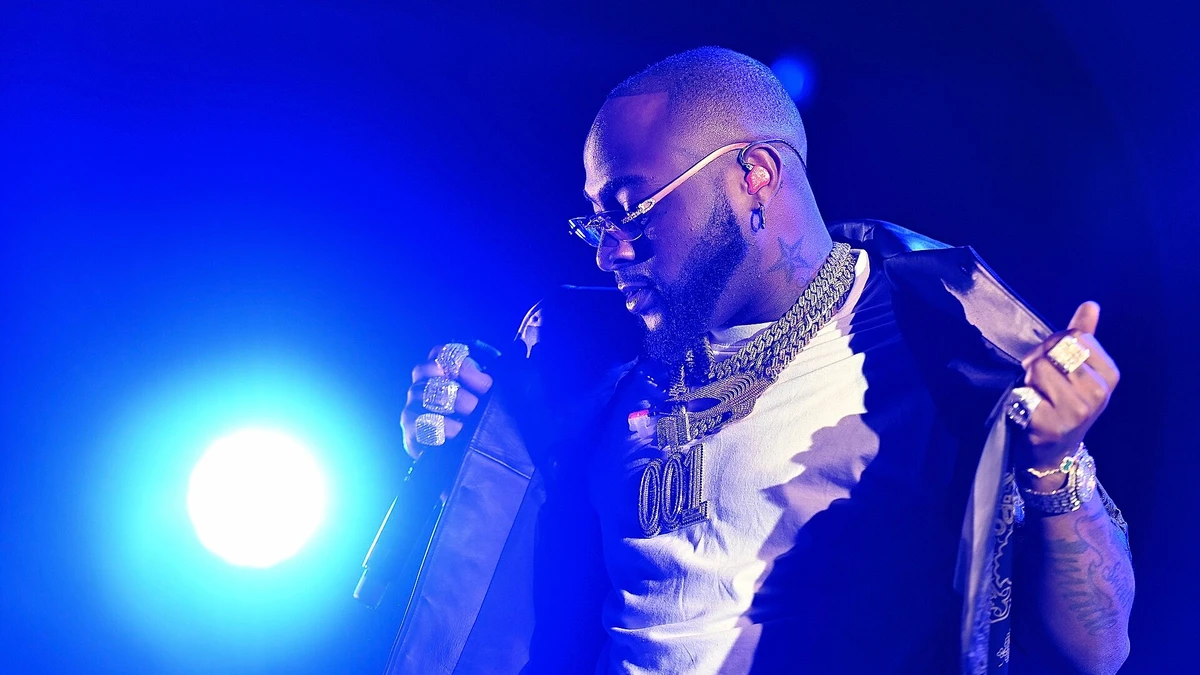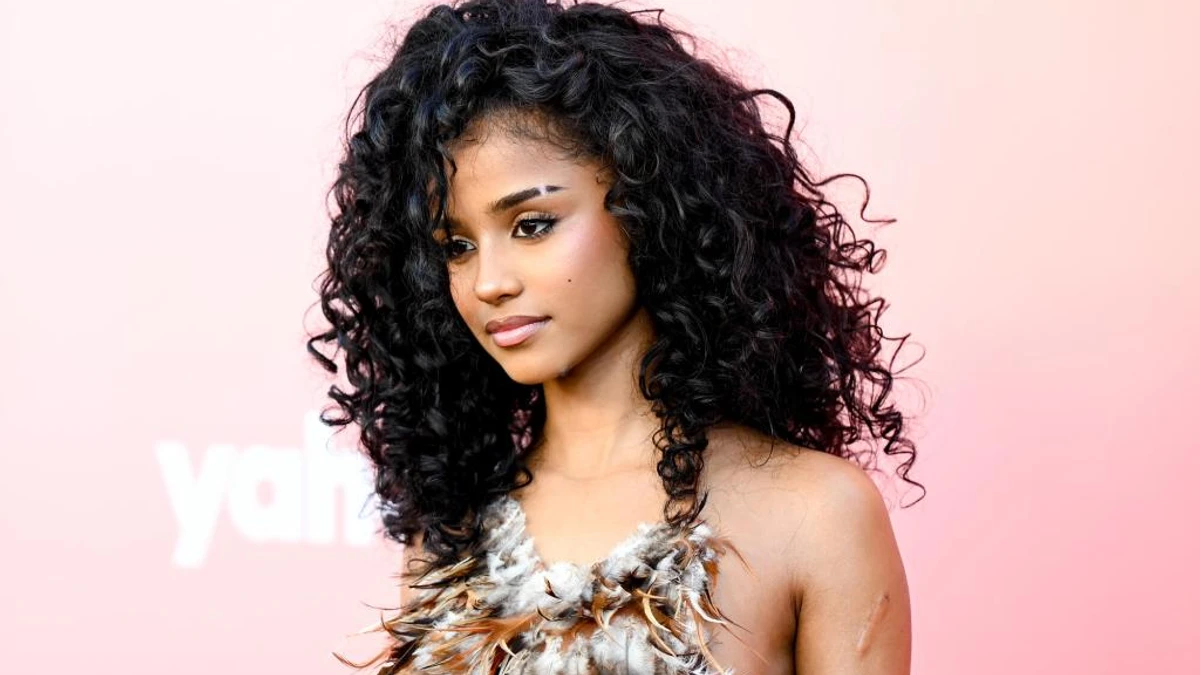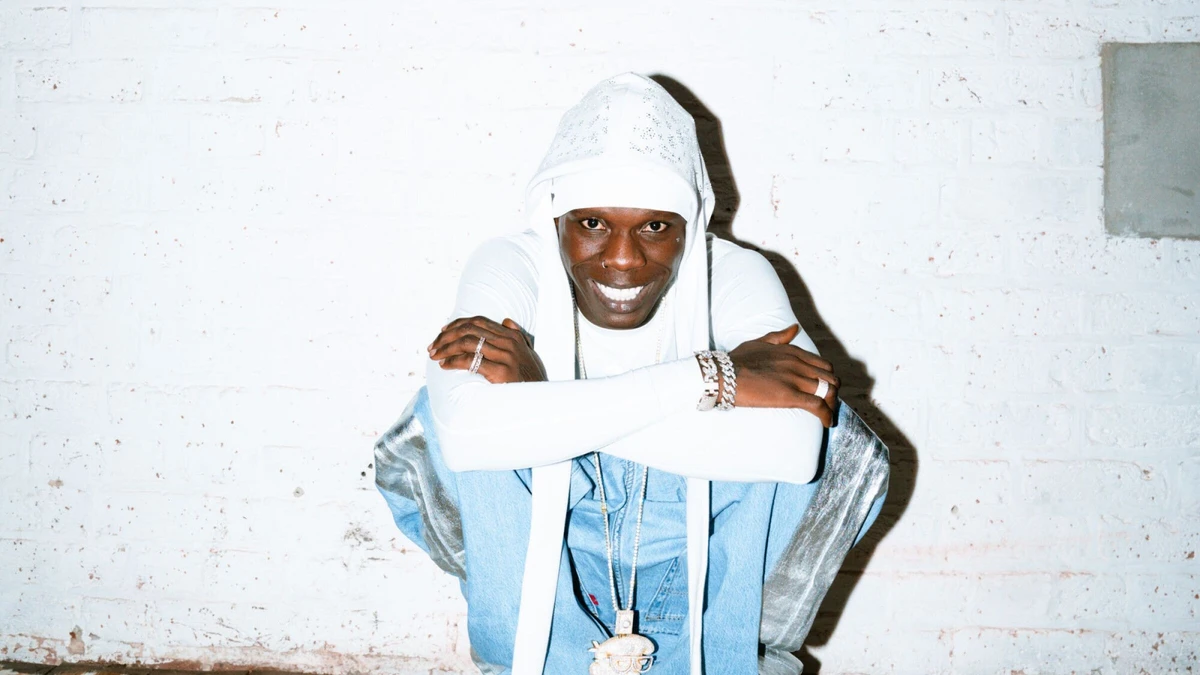
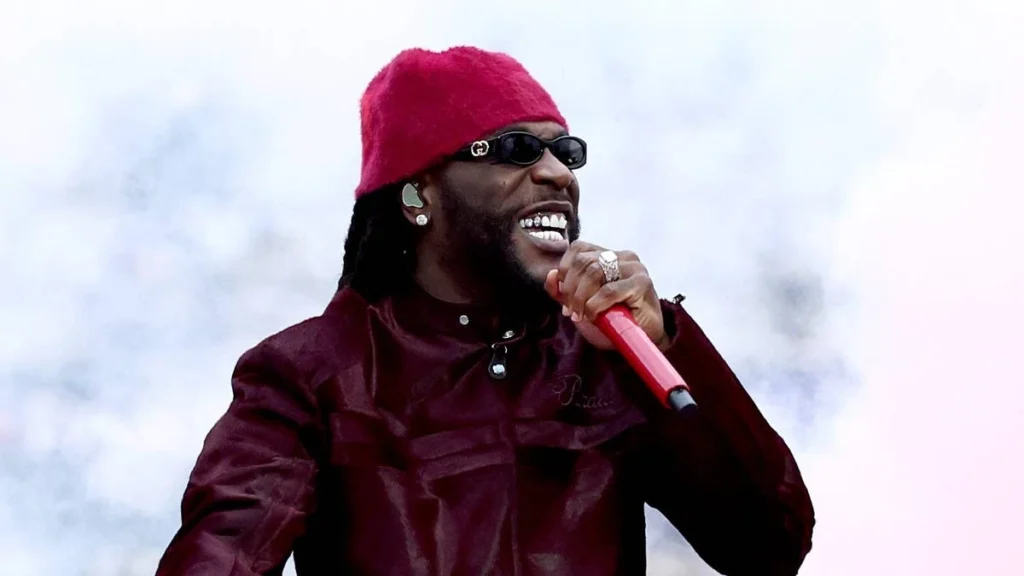
Burna Boy performs at halftime of the NFL game at Stade de France on 25 October
Burna Boy performs at halftime of the NFL game at Stade de France on 25 October
Burna Boy has spent a week turning the world’s biggest sporting stages into Afrobeats showcases. On Monday 27 October he walked onto the stage of the London Palladium at the 70th Ballon d’Or and became the first Nigerian artist to present an award at the ceremony, handing the Sócrates Award to Arsenal forward Bukayo Saka.
Forty-eight hours earlier he had headlined the halftime show at Stade de France, as the NFL played its first regular-season game in France. Two continents’ favourite sports, one Nigerian superstar at the centre of both, inside three days.
The Award He Handed Over
The Sócrates Award is the Ballon d’Or’s humanitarian prize, named after the Brazilian midfielder known as much for his activism as his football. This year it went to Saka, the England international of Nigerian heritage, for work he has supported through the organisation BigShoe.
According to Premium Times, that work has funded surgical procedures for about 120 children in Kano State, Nigeria, in 2022, and for 100 children across Rwanda, Kenya and Tanzania in 2023. Having Burna Boy present it closed a circle that fans noticed immediately: a Nigerian-born artist honouring a Nigerian-heritage player for work done partly in Nigeria, on one of the biggest nights in football’s calendar.
Burna Boy used his moment on stage to talk about his own football academy in Nigeria. “Something I started a few years ago, just to support the football culture back home,” he said of it. It was a revealing line, and it placed him in the ceremony as someone with a stake in the game rather than a booked entertainer.
A Ballon d’Or Night Staged in London for the First Time
The setting added to the occasion. The 70th edition was the first Ballon d’Or held in London, a choice made to mark the anniversary, and the Palladium hosted a night with plenty of English interest. Harry Kane won the men’s Ballon d’Or, the first Englishman to take it since Michael Owen in 2001, while Alexia Putellas collected the women’s prize for the third time.
Lamine Yamal took the men’s young talent award, Unai Simón and Cata Coll won the goalkeeper prizes, and Paris Saint-Germain and Barcelona were named the men’s and women’s clubs of the year. Nigerian music was not limited to the presentation either: Adekunle Gold walked the red carpet and told reporters he would perform at the after-party.
There is a lineage here. Premium Times noted that Rema became the first African artist to perform at the Ballon d’Or ceremony in 2023. Three years on, a Nigerian artist is presenting one of the night’s awards. The trajectory, from entertainment slot to the stage itself, mirrors how far the sound has travelled in a short time.
Football Has Been Part of Burna Boy’s Story for Years
Monday was not Burna Boy’s first appearance at the top table of European football. He performed at the kick-off show for the 2023 UEFA Champions League final in Istanbul, and the connection runs through his music too: Premium Times points to a 2021 collaboration with Wizkid titled “Ballon d’Or”.
That history is why the booking makes sense. Football’s governing bodies and broadcasters want artists whose audiences overlap with the global fanbase of the sport, and the biggest names from Lagos overlap with it more than most. Burna Boy brings an audience that spans West Africa, the diaspora in London and Paris, and a large international following built on Grammy-winning records.
The academy he mentioned on stage adds a longer-term thread. Artists lending their names to football in their home countries is not new, but doing it while presenting a humanitarian award to a player who funds children’s surgery in Nigeria gave the moment a weight beyond the red carpet.
Forty-Eight Hours Earlier at Stade de France
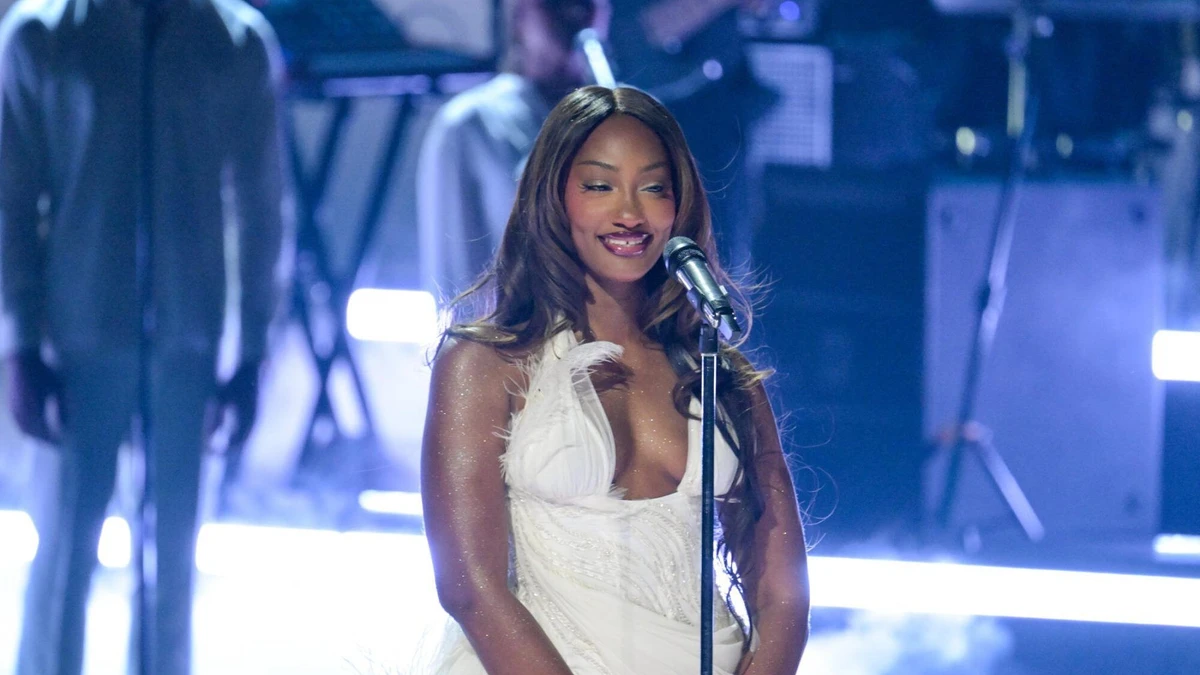
On Sunday 25 October the NFL brought a regular-season game to France for the first time, and Burna Boy headlined at halftime as the Pittsburgh Steelers beat the New Orleans Saints 16-10. His set included “Ye”, “On the Low” and “Last Last”, Men’s Journal reported, and French singer Yseult joined him on stage.
The pairing was a deliberate nod to the host city. Yseult, known for powerful vocals and a pop-and-soul style, gave the show a local voice, while Burna Boy brought the songs that have carried Afrobeats into stadiums worldwide. “Last Last”, built around a sample of Toni Braxton’s “He Wasn’t Man Enough”, remains one of the best-known Afrobeats crossover hits of the decade, and it is the kind of song a non-specialist crowd already knows.
Stade de France was also familiar ground. In 2025 Burna Boy became the first African musician to headline the stadium, Arise News noted, so the NFL show was a return to a venue where he had already made history, this time in front of a crowd that had come for American football.
The Three Songs Paris Heard
A halftime show is a greatest-hits format by necessity: a few minutes, a crowd that came for something else, and no room for deep cuts. Burna Boy’s choices show how he reads that kind of room.
“Ye” and “On the Low” both come from Outside, the 2018 album that turned him from a West African star into a global one. “Ye” in particular travelled far beyond Nigeria and is still the song many international listeners first heard from him. “On the Low” is the slow-rolling love song that became a staple of his live sets, the one an arena can sing back without being told the words.
“Last Last”, from the 2022 album Love, Damini, is the closer that crowds outside Africa know best. Its hook, lifted from Toni Braxton, gives a stadium of NFL fans something familiar to hold on to even if they have never heard an Afrobeats record, and its break-up lyric lands in any language.
Put together, the three songs are a short history of how Burna Boy built a worldwide audience: a breakout single, a fan favourite and a crossover hit. Including “Last Last” at Stade de France meant giving a stadium of first-time listeners the song that has done most to carry the genre into rooms like that one.
Why the Sports World Keeps Calling Afrobeats
The NFL has spent years building an international audience through regular-season games in London, Germany and other markets, and Paris was its next step. Choosing Burna Boy and Yseult for halftime, as Men’s Journal put it, recognised “the culture already there” rather than simply exporting an American spectacle.
The same logic now runs through the whole sporting calendar. Afrobeats artists are being booked because their audiences are global, young and present in exactly the cities where leagues want to grow. Burna Boy is not the only Afrobeats star the NFL has called on this season: we covered how Ayra Starr followed an NFL halftime show with a 20-city tour, and the bookings keep coming.
For fans, the week is a reminder of how far the scene has moved. Men’s Journal described Afrobeats’ journey as a “remarkable rise from a regional sound to a global cultural force”. Three days, two sports and two world-famous venues later, Burna Boy has given that phrase a very literal shape: a halftime show in Paris on Sunday, a moment of Ballon d’Or history in London on Monday.
What Comes Next for Burna Boy
The appearances keep his name in front of audiences who may never have streamed an Afrobeats record, which is exactly how the genre has grown. Each stadium booking or awards-night moment introduces the music to new listeners, many of whom will go looking for “Last Last” or “Ye” afterwards.
For his existing fans the more striking point is the role. At the Ballon d’Or he was not booked to sing between awards; he was trusted with a prize and with the story of why it mattered. That is a different kind of recognition, and the first time a Nigerian artist has been given it at the ceremony. On the evidence of this week, it will not be the last.
About Author