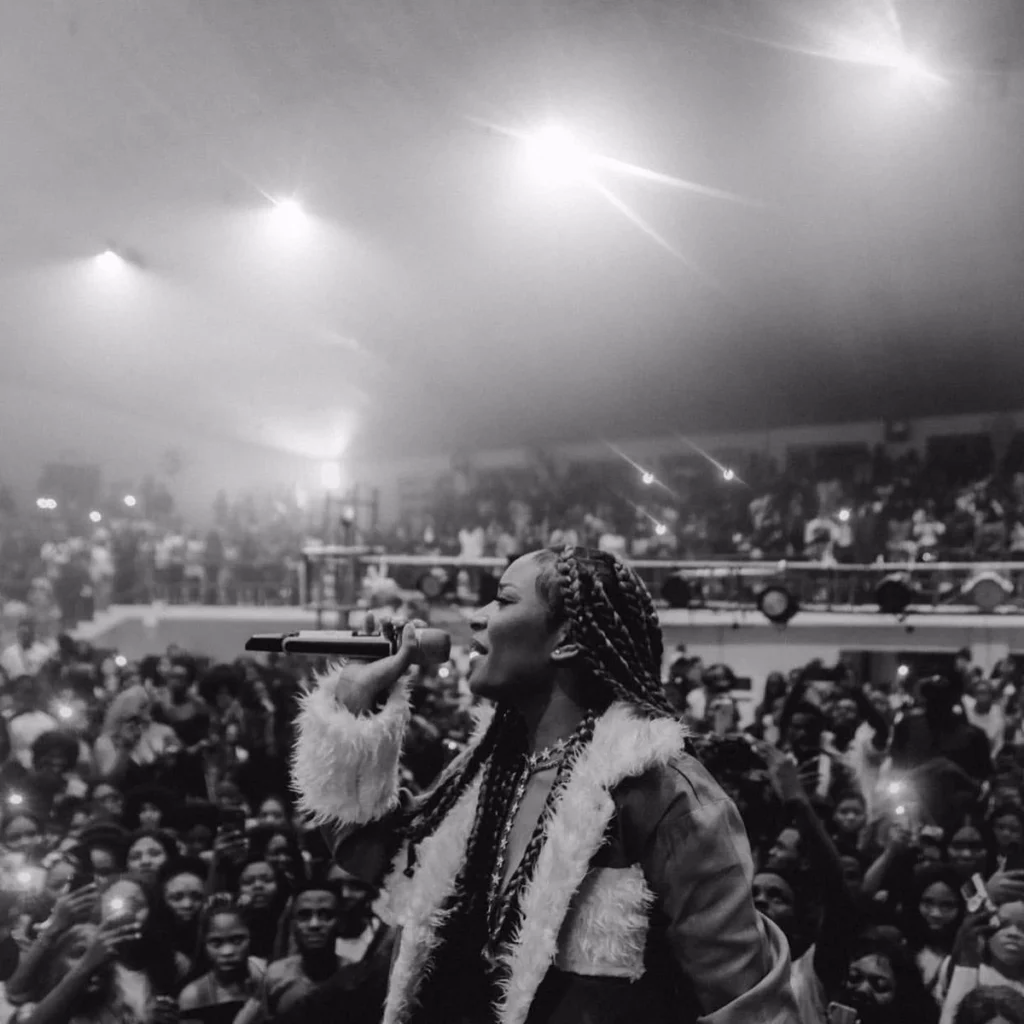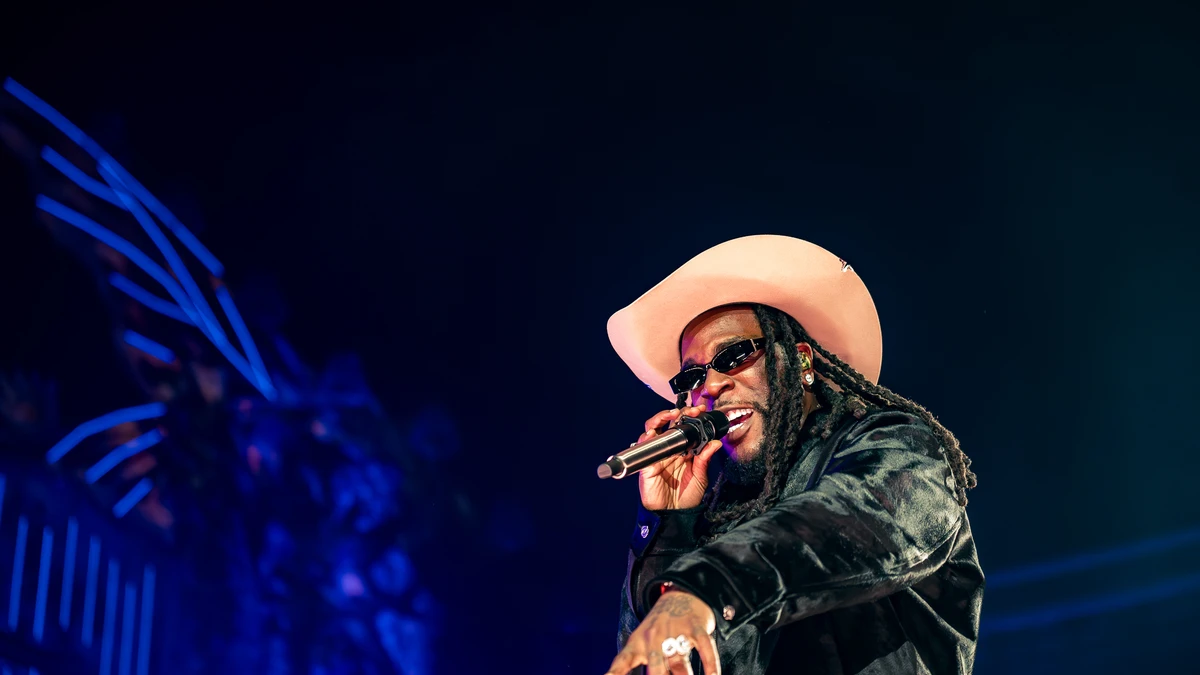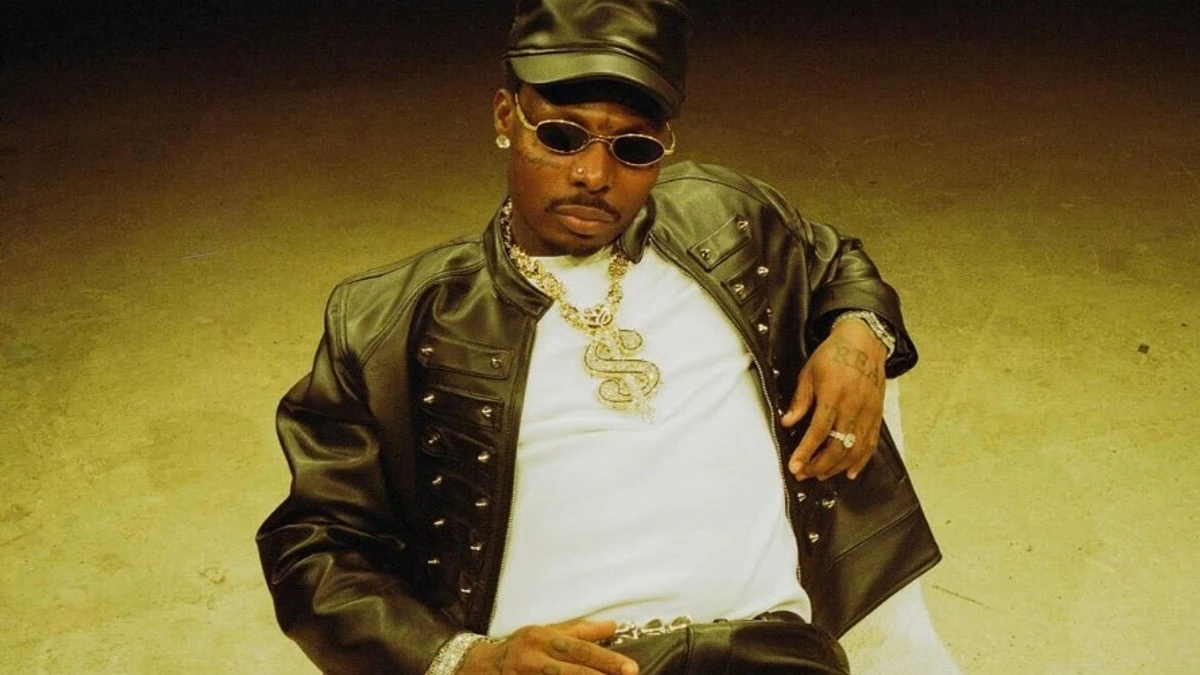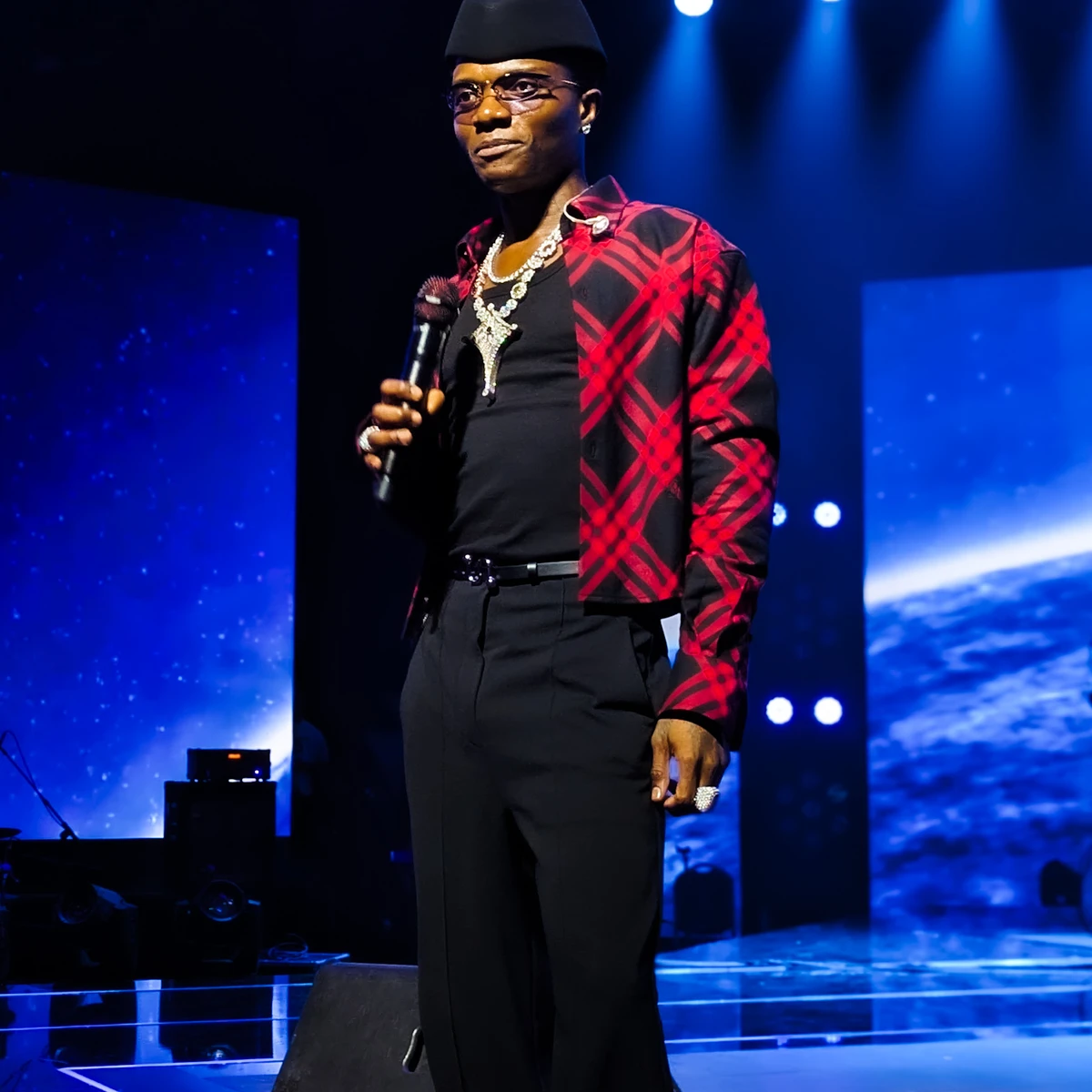


For three days at the start of July, the golden sands of Praia da Rocha turned into the loudest argument yet for amapiano’s arrival. Afro Nation 2026, the sixth edition of what organisers call the world’s biggest Afrobeats festival, did something telling in Portimao: it handed South Africa’s amapiano an entire stage of its own. The Piano People stage ran beside the Afrobeats headliners, and by the closing night it was clear the log-drum sound was no longer a guest at the party. It was co-hosting.
That single programming choice says more about where African music is heading than any chart could. Amapiano did not sneak into the lineup. It was built into the architecture of the weekend.
A Stage of Its Own at Afro Nation 2026
Afro Nation returned to Portimao from Friday 3 July to Sunday 5 July, spreading across three stages on the beach, the Afrobeats-led Lit stage, the amapiano-focused Piano People stage, and the electronic Afrotronic stage. According to The Portugal News, organisers billed it as the festival’s biggest and most immersive edition, drawing a crowd from more than a hundred countries to the Algarve coast.
For a festival that made its name on Afrobeats, giving a full stage to a single South African style is a considered bet rather than an afterthought, and the crowds that packed Piano People from afternoon deep into the night suggested the bet paid off handsomely.
The Piano People stage carried a dedicated amapiano cast: Uncle Waffles, Kelvin Momo, Focalistic and Madumane, the alias of DJ Maphorisa, among others, with the young production duo Mellow and Sleazy also on the bill. A genre that a few years ago was fighting to be heard outside South Africa now had its own home at the biggest African music gathering in Europe, listed on the official festival programme next to the Afrobeats stars.
From Johannesburg Townships to a Global Sound
To understand why that matters, it helps to remember how recently amapiano was a strictly local secret. The sound took shape in the townships around Johannesburg and Pretoria in the mid-to-late 2010s, a slow, hypnotic blend of deep house, jazzy piano chords and the now-famous log drum, a rubbery, resonant bassline that gives the style its bounce.
It spread the way street music always has, through informal channels: shared files, taxi-rank speakers, WhatsApp groups and, eventually, TikTok. Producers such as DJ Maphorisa and Kabza De Small, working together as the Scorpion Kings, turned a regional groove into a national obsession, and from there the log drum began its slow march across borders. What started as a South African party sound became a pan-African, then a global, language.
By the early 2020s that march had reached well beyond South Africa. Nigerian Afrobeats stars began folding amapiano rhythms into their records, amapiano club nights became fixtures in London and other UK cities, and the sound picked up a fresh accent in every territory it entered. What had been a strictly local secret was turning into a shared continental language.
The Piano People Who Led the Takeover
The Afro Nation lineup read like a map of amapiano’s many moods. Uncle Waffles, the Eswatini-born, South Africa-based DJ whose sets turned her into the genre’s most recognisable live star, brought the high-energy end. Kelvin Momo represented the softer, jazz-soaked private-school amapiano that rewards patient listening, while Focalistic, the Pretoria rapper who broke through with the anthem Ke Star, carried the vocal, rap-forward side of the sound.
Those styles are not interchangeable, and that is the point. The soulful, jazz-leaning strain often called private-school amapiano trades on patience and space, while the harder, faster street variants are built for peak-time dancefloors. Hearing them back to back across a single stage is the quickest way to grasp just how wide the genre has grown.
Behind the decks, DJ Maphorisa performing as Madumane underlined how the pioneers keep reinventing themselves, and the arrival of Mellow and Sleazy signalled a younger generation already fluent in the style, as The Beats of Africa noted in its festival preview. Together they showed amapiano is not one trick but a whole ecosystem of tempos, textures and personalities.
Amapiano Beside Afrobeats, Not Beneath It
What made Afro Nation 2026 feel like a turning point was the framing. This was still, first and foremost, an Afrobeats festival, headlined on the Lit stage by global heavyweights including Asake and Tyla, with Gunna and Kehlani among the guests. In that company, amapiano could easily have been a side attraction. Instead it was a parallel headline world, running its own stage from open to close.
The crossover cuts both ways. Several of the weekend’s biggest Afrobeats draws have themselves ridden amapiano into the pop mainstream. Tyla’s global hit Water carried the log drum onto radio playlists worldwide and introduced the rhythm to millions who had never heard the word amapiano, blurring the line between the festival’s two flagship sounds.
That balance mirrors what is happening across the continent’s music, where scenes increasingly borrow from one another rather than compete, much as the new wave of Afrobeats fusions keeps folding in outside influences. The addition of the Afrotronic stage, leaning into Afro house and electronic sounds, only widened the picture, presenting African dance music as a spectrum rather than a single lane.
Why the Log Drum Travels
Amapiano is built for exactly this kind of setting. It is DJ-led rather than song-led, which means sets can stretch and breathe, rising and falling with a crowd instead of stopping every three minutes. Its grooves are hypnotic and physical, made for dancing in the open air, and its viral dance challenges have given it a second life on TikTok that pulls in listeners who could not name a single track.
Streaming has done the rest. Amapiano playlists now gather hundreds of millions of plays, and the genre’s leading names tour Europe, North America and across Africa rather than waiting for an invitation to someone else’s main event. A festival booking has become as much a homecoming as a showcase.
On a beach in the Algarve, in front of a diaspora crowd from more than a hundred countries, those qualities turned into something bigger than a genre showcase. The log drum became a shared heartbeat, and the Piano People stage became the place where the festival’s energy pooled after dark.
What Afro Nation 2026 Signals for Amapiano
The lasting message of Afro Nation 2026 is that amapiano has graduated. It no longer needs to borrow a slot on someone else’s stage or justify its place next to Afrobeats. It has its own headliners, its own audience and its own room at the biggest table in African music.
The open question now is less about whether amapiano belongs on stages like this and more about how far it can still travel. With a new generation of producers already pushing the sound into fresh hybrids, the log drum shows no sign of settling into a formula, which is exactly why bookers keep building rooms around it.
For a sound that grew out of township house parties barely a decade ago, a dedicated stage at a sold-out international festival is not just a milestone. It is a statement that the global map of dance music has been quietly redrawn, and that South Africa’s log drum is now one of its loudest landmarks.
About Author