

A young African music producer at a mixing console in a modern, warmly lit recording studio. | AfroMusic.News
The Unstoppable Rise of a Global Sound
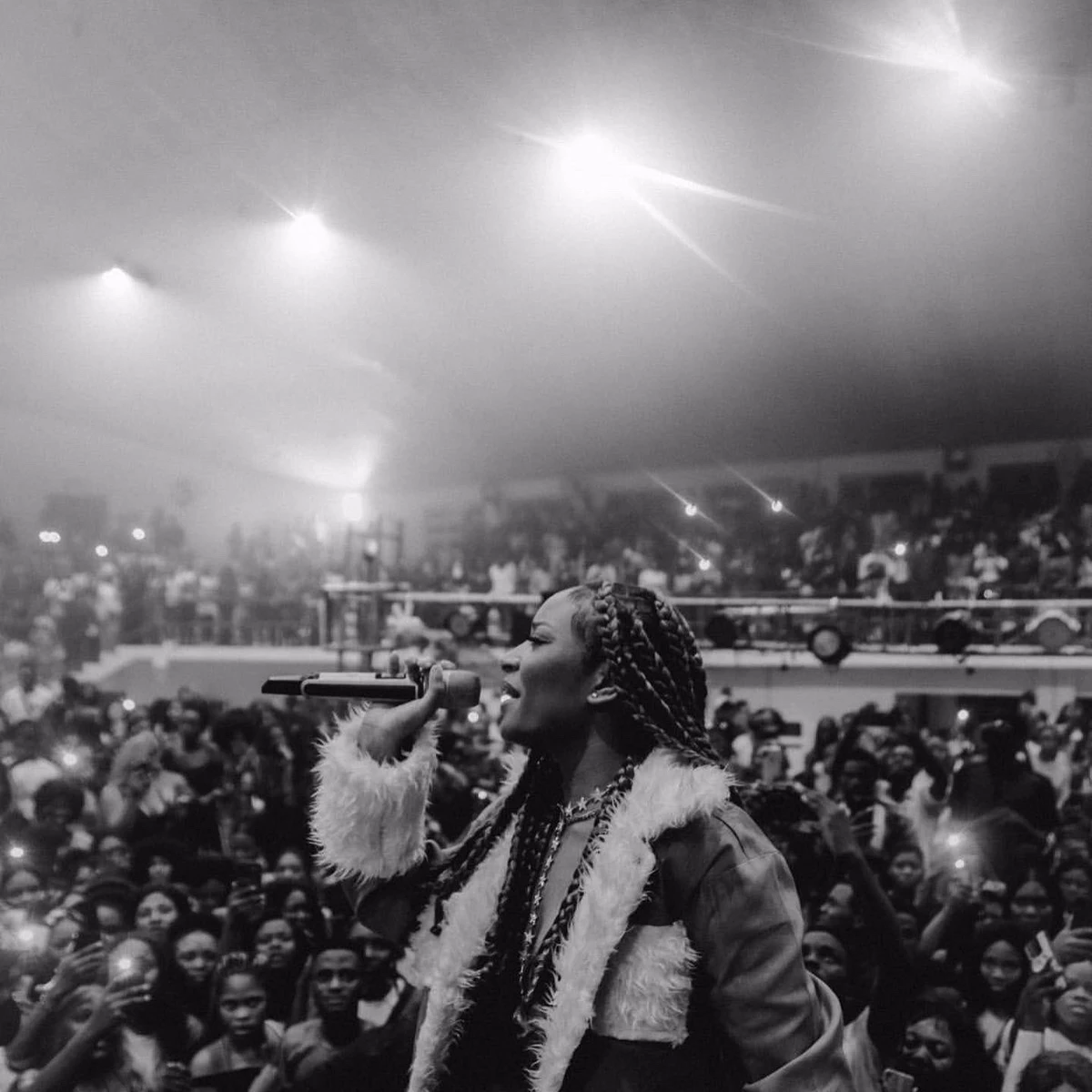
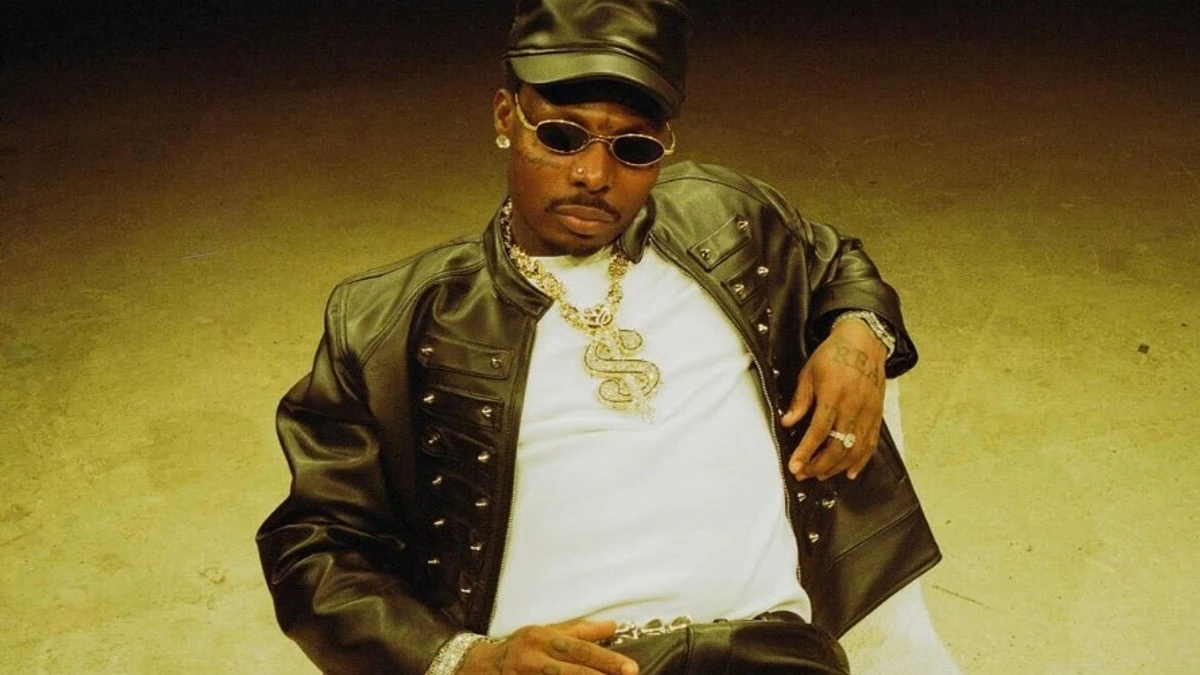
What was once the vibrant, percussive heartbeat of West African cities has become the world’s new pop soundtrack. The Global Dominance of Afrobeats is no longer a prediction; it’s a reality unfolding in real-time on streaming charts, at sold-out stadium concerts, and in high-profile collaborations that define the current musical era. Artists like Burna Boy, Wizkid, Tems, and Rema have transcended regional stardom to become household names, proving that the Afrobeats movement is a powerful cultural and commercial force reshaping the music industry from the ground up. This isn’t just a fleeting moment for a niche genre; it’s a fundamental shift in the global center of musical gravity, with its epicenter firmly in Africa.
From Lagos to the World: The Roots of a Global Movement
To understand the current explosion, one must look back to its roots. The foundation was laid decades ago by the legendary Nigerian musician and activist Fela Kuti, the pioneer of Afrobeat—a complex, politically charged fusion of jazz, funk, and traditional Yoruba music. Today’s Afrobeats (with an ‘s’) is a different, though related, entity. It’s a broader, more pop-oriented umbrella term that emerged in the early 2000s, characterized by its infectious rhythms, digital production, and a melodic blend of pidgin English, Yoruba, and other local languages. This modern sound draws heavily from Ghanaian highlife, Nigerian fuji music, and global genres like hip-hop, R&B, and dancehall. This sonic flexibility is its superpower, creating a uniquely adaptable and universally appealing sound that can feel at home anywhere in the world while retaining its distinct African identity. It’s a sound built for a connected, post-genre world.
Chart-Topping Hits and Streaming Supremacy
The metrics of this global takeover are staggering, converting cultural influence into hard data. Perhaps no song better illustrates this than Rema’s viral smash “Calm Down”. The original track was a massive success across Africa, but its remix featuring American pop star Selena Gomez launched it into the stratosphere. The song shattered records, spending over a year on the Billboard Hot 100 and becoming one of the most-streamed songs of all time on platforms like Spotify. This is not an isolated incident. Burna Boy, the self-proclaimed “African Giant,” has made history by becoming the first African artist to headline and sell out iconic venues like Madison Square Garden in New York and London Stadium in the UK. His success, along with that of peers like Wizkid, whose hit “Essence” featuring Tems was dubbed the “song of the summer” by critics and fans alike, demonstrates a consistent ability to not just enter the global market, but to dominate it. These achievements underscore the commercial viability and immense audience appetite for the genre.
The Power of Collaboration: Bridging Continents
Strategic collaborations have been a crucial catalyst for the Global Dominance of Afrobeats, acting as a bridge between continents and fanbases. The aforementioned remix of “Calm Down” is a prime example, introducing Rema to Selena Gomez’s massive global audience and vice versa. Tems has become a particularly sought-after collaborator, lending her distinctive, soulful voice to major international hits. Her feature on Future’s track “Wait for U”, which also included Drake, earned her a Grammy Awards win, a significant milestone. Furthermore, her songwriting talent was recognized with an Oscar nomination for co-writing “Lift Me Up” for the Black Panther: Wakanda Forever soundtrack, performed by Rihanna. These high-profile partnerships are more than just features; they are powerful endorsements that validate the genre on the world stage and seamlessly integrate its sounds into the fabric of global pop, creating a feedback loop of discovery and appreciation.
Building a Global Business: Labels, Deals, and Infrastructure
Behind the artists and the hits is a rapidly maturing business infrastructure that is essential to sustaining this momentum. Major global record labels like Sony Music, Universal Music Group, and Warner Music Group have established significant operations across Africa, signing local talent and investing heavily in market development. They are competing and collaborating with influential homegrown labels that have been instrumental in nurturing talent from the beginning. Labels like Mavin Records, founded by Don Jazzy and home to stars like Rema and Ayra Starr, have been pivotal in crafting the sound and careers of the genre’s biggest stars. Streaming platforms have played an equally important role, democratizing distribution and allowing artists to connect directly with a global audience, bypassing the traditional gatekeepers of Western radio and television. This direct-to-fan access has empowered artists and created a rich, data-driven ecosystem for talent discovery and growth, making the Global Dominance of Afrobeats a sustainable economic reality.
What’s Next for the Afrobeats Wave?
The momentum of Afrobeats shows no signs of slowing. In fact, it continues to evolve and splinter into exciting new subgenres. The rise of Amapiano, a hypnotic, percussion-heavy house sound originating from South Africa, has been widely embraced and incorporated by West African artists, creating a pan-African sonic dialogue. New stars are constantly emerging, ready to carry the torch. South African singer Tyla scored a massive global hit with “Water”, a track that masterfully blends Amapiano and pop influences, earning her the inaugural Grammy Awards for Best African Music Performance. This new award category is itself a testament to the genre’s established influence and the music academy’s recognition of its importance. Large-scale festivals like Afro Nation, which holds events in Portugal, Ghana, and the US, are now major destinations on the global festival circuit, drawing tens of thousands of fans. The future of Afrobeats is not just about sustaining its presence, but about deepening its influence, continuing to innovate, and cementing Africa’s position as a central and permanent hub of 21st-century popular music.
This momentum shows no signs of slowing, with Burna Boy recently revealing plans for a massive global tour in 2026 to support a new album.
Join the Global Music Conversation
The rise of Afrobeats is more than a music trend; it’s a cultural shift with a global impact. Stay ahead of the curve and discover the artists, sounds, and business deals shaping the future of music. Join MW3.biz to access industry-leading tools and insights that empower creators and music professionals in this dynamic new landscape.
About Author