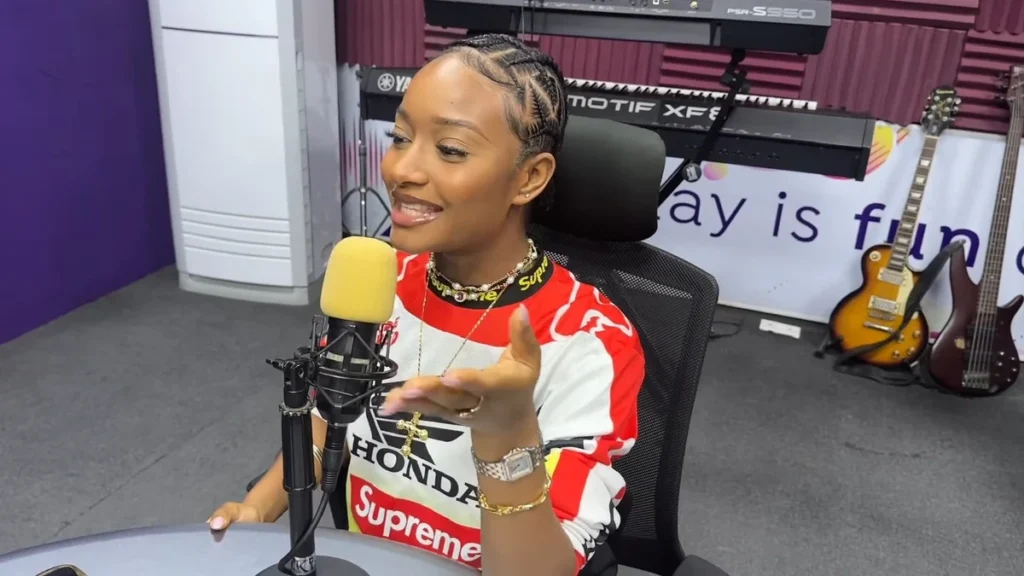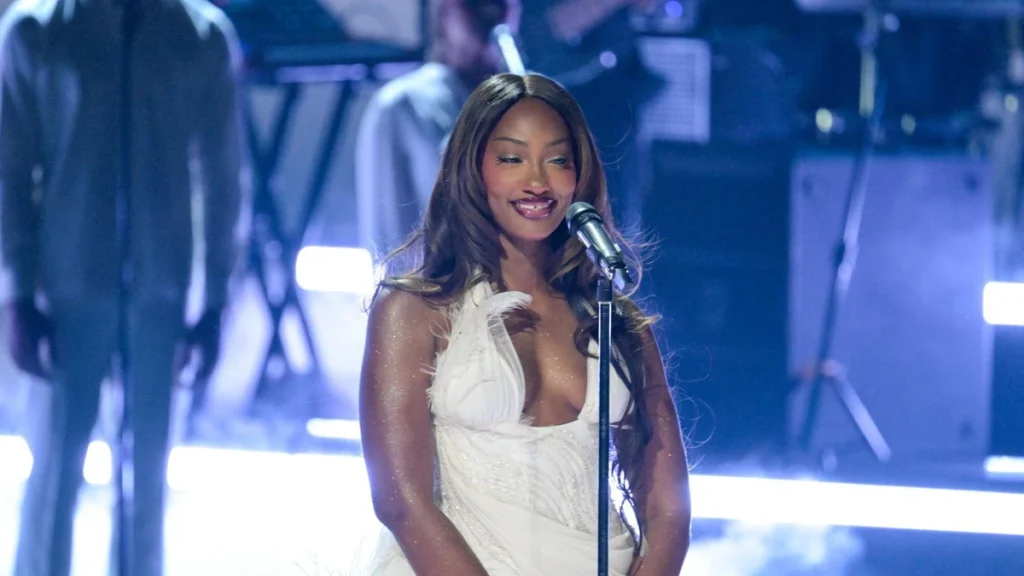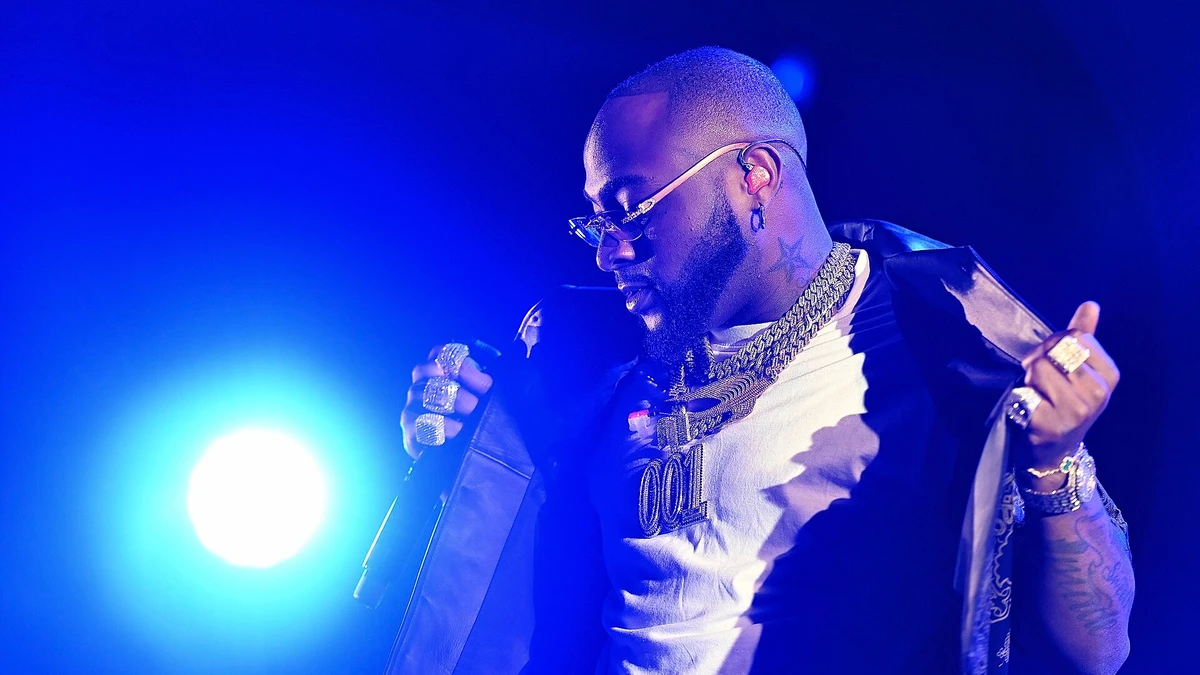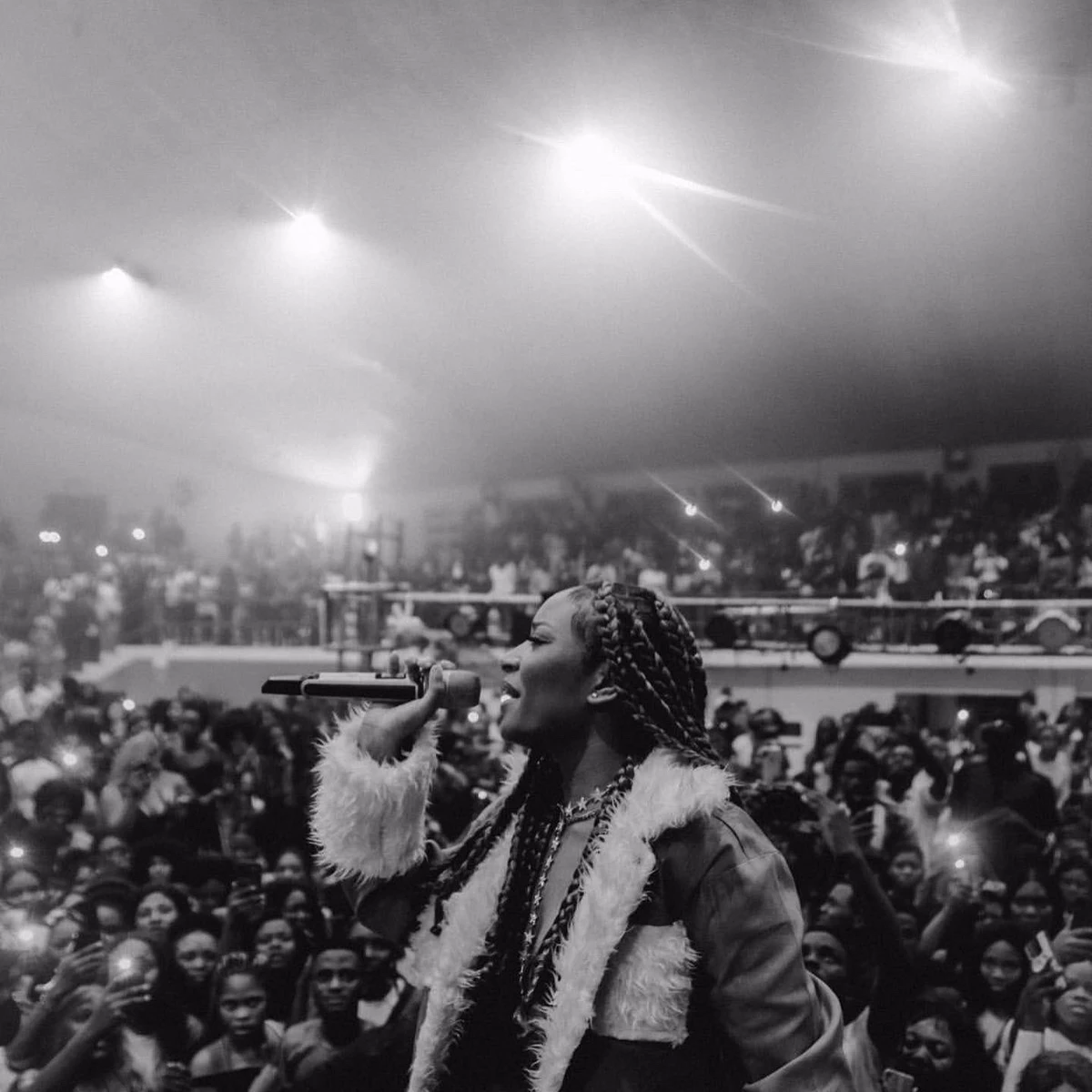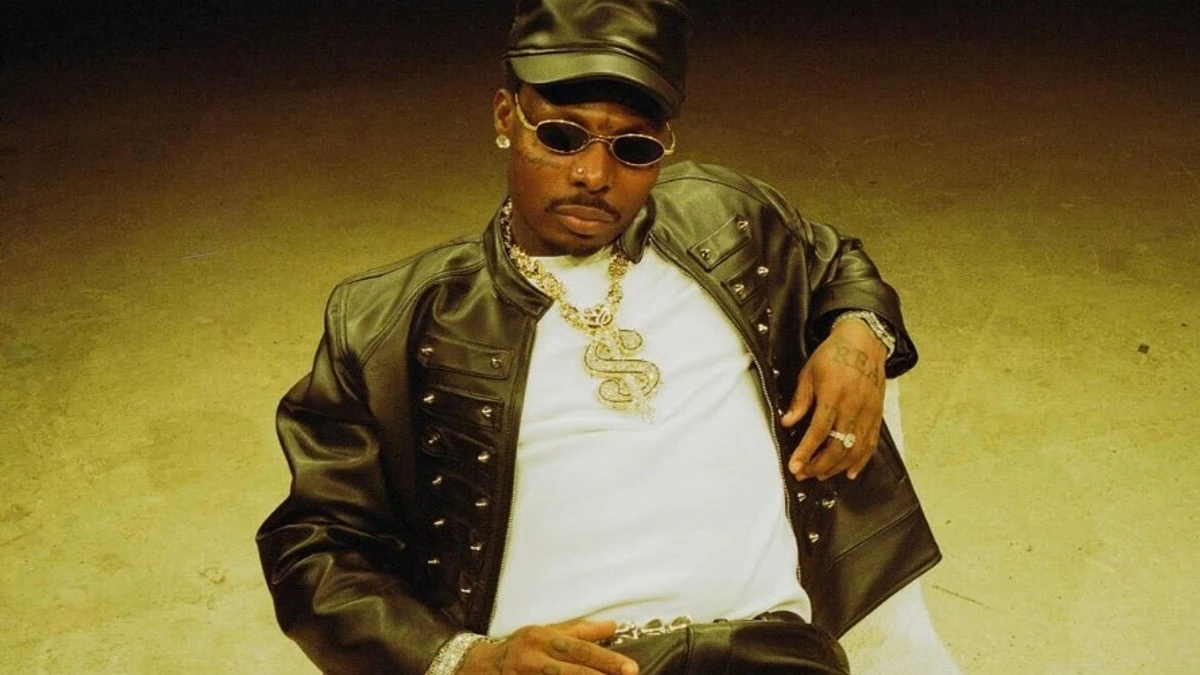


Burna Boy performing live
Burna Boy performing live
Lagos noticed before anyone in Los Angeles explained anything. When the 2026 MTV Video Music Award nominations went out, the Best Afrobeats category was simply not on the list. No statement, no reframing, no replacement lane. It had existed for three ceremonies and then it did not.
What makes the removal awkward rather than merely quiet is that two of the artists it was created for are still on the ballot. Burna Boy has two nominations and Tems has one. None of the three is in a category that has anything to do with the scene those nominations came out of.
Where the Nigerian Nominees Actually Landed
Burna Boy is up for Best Collaboration and Best Latin, both for Dai Dai, his duet with Shakira and the official song of the 2026 FIFA World Cup. A Nigerian artist competing in Best Latin is not a mistake by the academy; it is what happens when the record in question is a global-tournament single with a Colombian co-lead and no category left that describes the other half of it.
Tems is nominated for Best R&B for Raindance, made with the British rapper Dave. That is a defensible placement on the music itself, and it is also the placement Afrobeats artists were routinely given before a dedicated category existed. The competition is heavy: Bruno Mars, Chris Brown, Justin Bieber, Kehlani, and Mariah the Scientist with Kali Uchis.
In Best Collaboration, Dai Dai is up against Chains & Whips by Clipse, Kendrick Lamar, Pusha T and Malice; Ever Since U Left Me by French Montana and Max B; Bring Your Love by Madonna and Sabrina Carpenter; Stateside by PinkPantheress and Zara Larsson; and Hard Part by Teyana Taylor and Lucky Daye. Legit.ng published the full list, which also shows a crowded Best Latin field of established Spanish-language acts. The ceremony is on Sunday 27 September at the Peacock Theatre in Los Angeles, live on CBS and MTV and streaming on Paramount+.
Three Years, Three Winners, One Pattern
The short history of the award is worth setting out, because it explains the reaction. Rema and Selena Gomez won the inaugural prize in 2023 for Calm Down. Tyla took it in 2024 for Water and again in 2025 for Push 2 Start, the second time against a shortlist that included Burna Boy, Wizkid, Rema, Tems and Asake.
Read one way, that is a category doing its job: three ceremonies, three genuinely enormous records, two artists breaking internationally off the back of them. Read another way, it is a category that spent most of its life as a shortlist of the same handful of names, which is a structural problem with any single-genre award attached to a scene producing far more music than one slot can hold.
Neither reading tells you why MTV pulled it, because MTV has not said. The absence of a stated reason is the whole reason the removal is being discussed at all. An award that is retired with an explanation is a programming decision. An award that disappears without one invites everybody to supply their own.
What a Genre Category Is Actually For
A dedicated category does two things that a general one does not. It guarantees that a scene appears on the broadcast regardless of whether its biggest record crossed over that year, and it puts a name on the sound in front of an audience that may not have one. Both matter more for a scene that is still building international infrastructure than for one that already owns the mainstream.
The counterargument is equally real and gets made inside the scene as often as outside it. A genre ghetto is a genre ghetto: if Afrobeats artists only ever compete against each other, they never appear in the categories that carry the most weight, and the sound gets treated as a regional curiosity rather than as pop. Several African artists have made exactly that point about awards structures over the past few years.
The version of this that would satisfy both arguments is a scene represented in the general categories on merit and in a specific one by design. What has happened instead is that the specific one went away while the general placements arrived through a World Cup single and a British rap feature, which is a thinner form of recognition than it looks.
The Diaspora Route Is Doing the Work
Look at how both nominations were earned and a pattern shows up. Dai Dai is a tournament song with a Latin co-lead. Raindance is a collaboration with a London rapper. Both are excellent records and both reached the ballot through a partnership that gave a voter a familiar handle to grab.
That is the diaspora circuit functioning as intended, and it is how the sound has travelled since long before any award existed. Lagos to London, Lagos to Miami, Accra to Toronto: the collaboration is the passport. The risk is that it becomes the only passport, and that a record made entirely in Nigeria for a Nigerian audience has no route onto an American awards broadcast at all.
That would be a loss for the shows before it is a loss for the artists. The scene’s commercial position no longer depends on a trophy. Streaming has already answered the question of whether the audience exists, which is a point AfroMusic.News has made before when Uncle Waffles took amapiano into nine In God We Trust tour dates.
Why the Silence Is the Story
MTV has changed its category list many times. Awards get added when a format is ascendant and cut when the broadcast needs the runtime, and there is nothing unusual about a three-year-old prize being reviewed. The organisation has not publicly provided a specific explanation for this particular removal, and that is what Premium Times reported when the nominations landed.
Without a reason, the removal reads to a Lagos or Johannesburg audience as a verdict on the sound’s importance rather than a scheduling decision, and that reading is hard to argue against with no counter-statement available. A single sentence about runtime or about folding the sound into the general categories would have cost nothing and changed the temperature completely.
The full nominations list, as carried by AllAfrica, shows the practical consequence: the sound is present at the ceremony, but only where it happens to overlap with something else. Present as a guest rather than as a resident.
What to Watch on 27 September
The result that would settle the argument fastest is Burna Boy winning Best Collaboration. That is a marquee category with a heavyweight field, and a win there would demonstrate the thing the genre category was created to prove, without the genre category. It would also be the strongest available evidence that the scene does not need a lane of its own to reach the podium.
A win in Best Latin would be stranger and more interesting. It would raise a genuine question about what these categories are describing now, given that a Nigerian artist would be taking a Latin award for a World Cup song, and it would suggest the classification system is lagging behind the way records are actually made.
The most likely outcome is that neither happens and the night passes with the scene represented by two nominations and no dedicated slot. If so, the question for MTV comes back next year in a harder form. The audience for this music has kept growing every year the category existed, and it did not stop growing on the day it was removed.
About Author