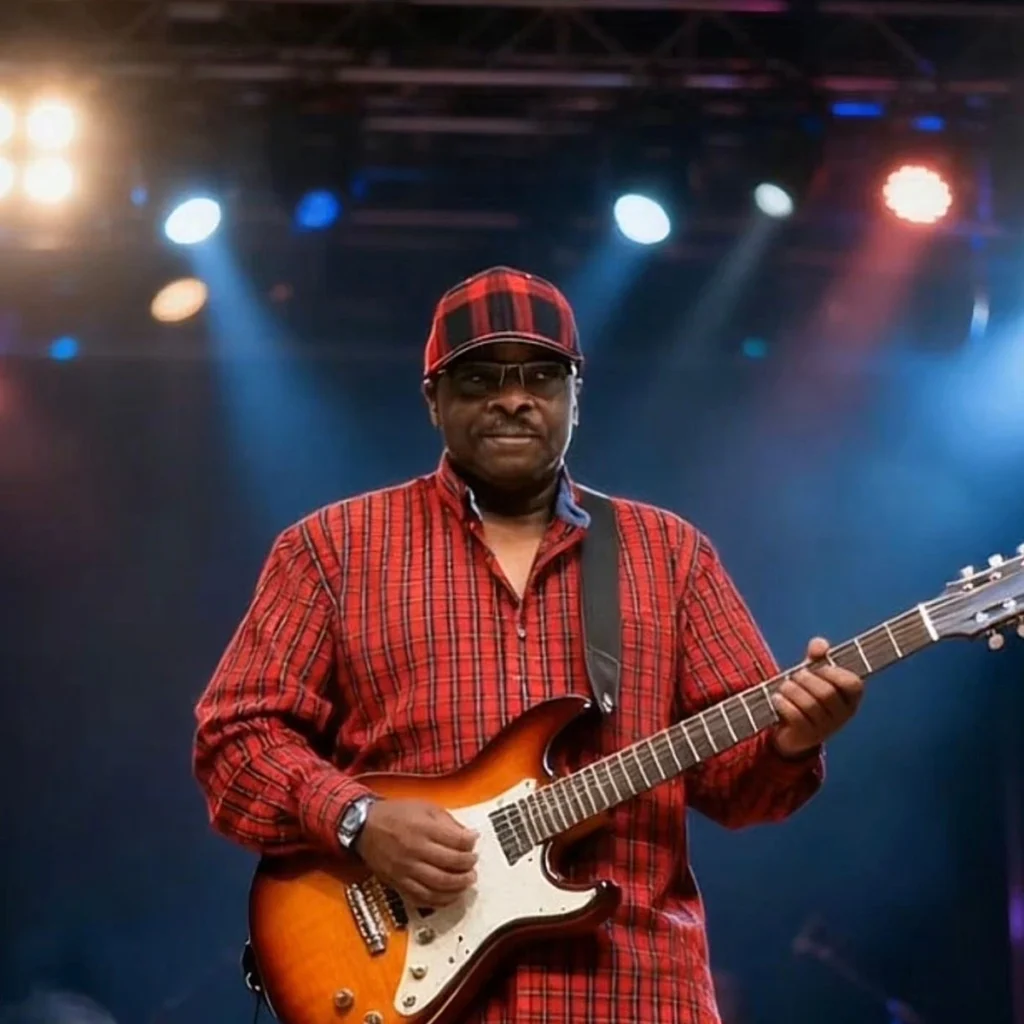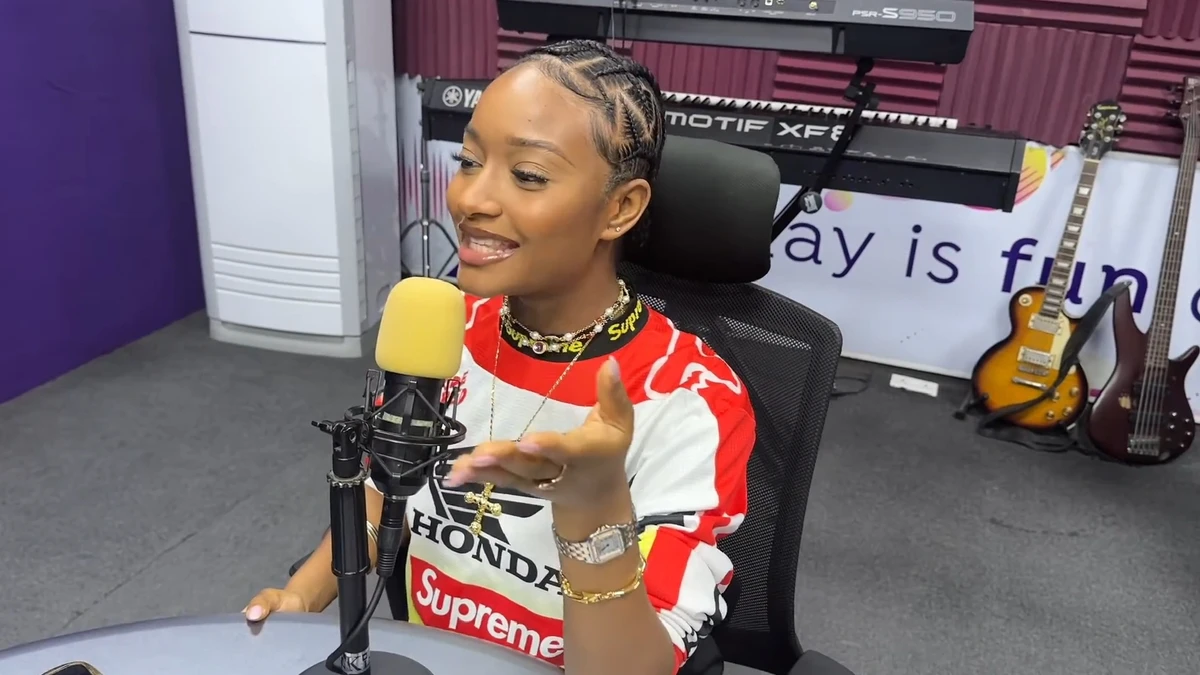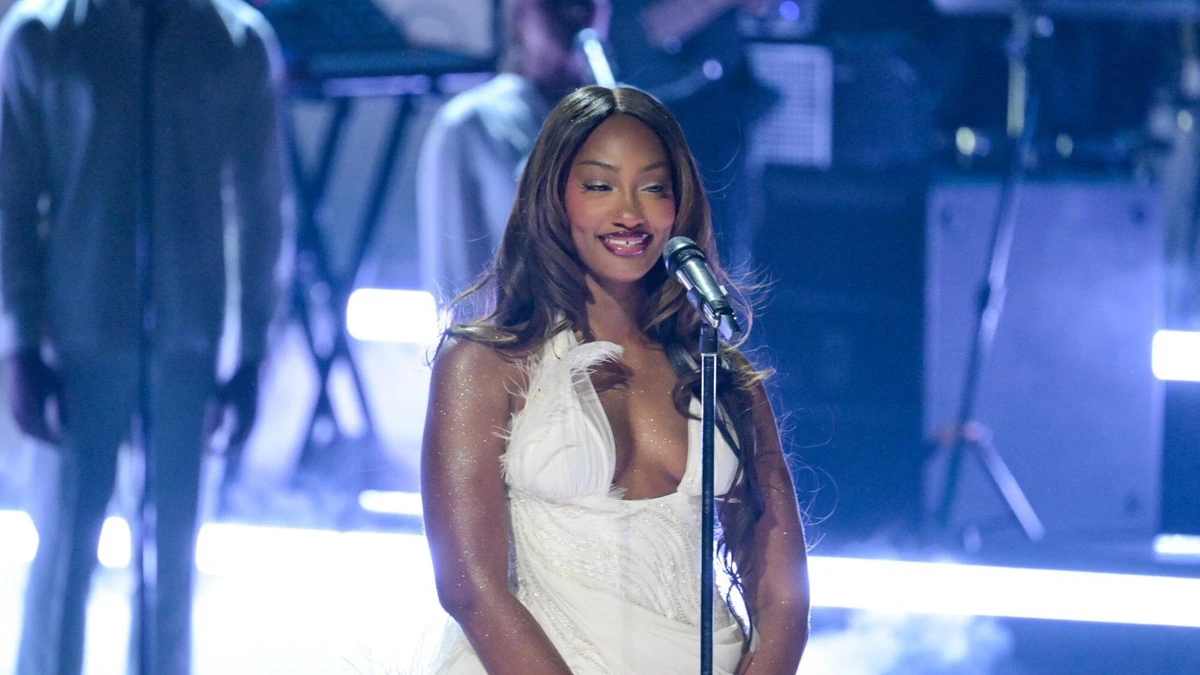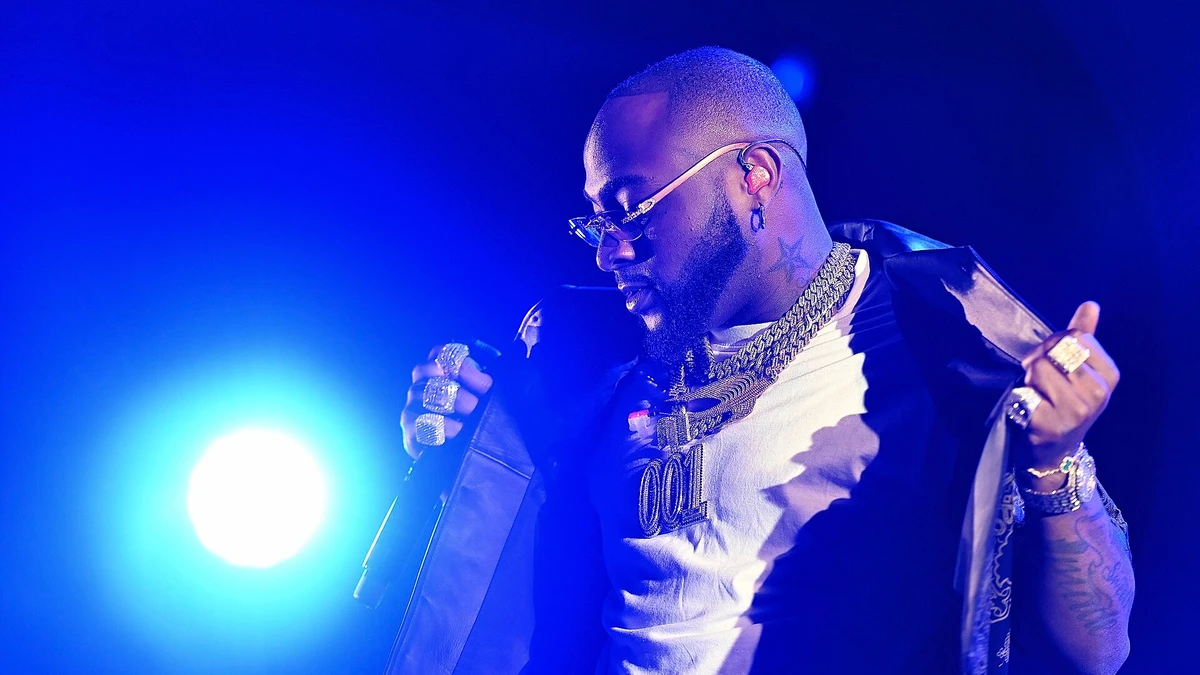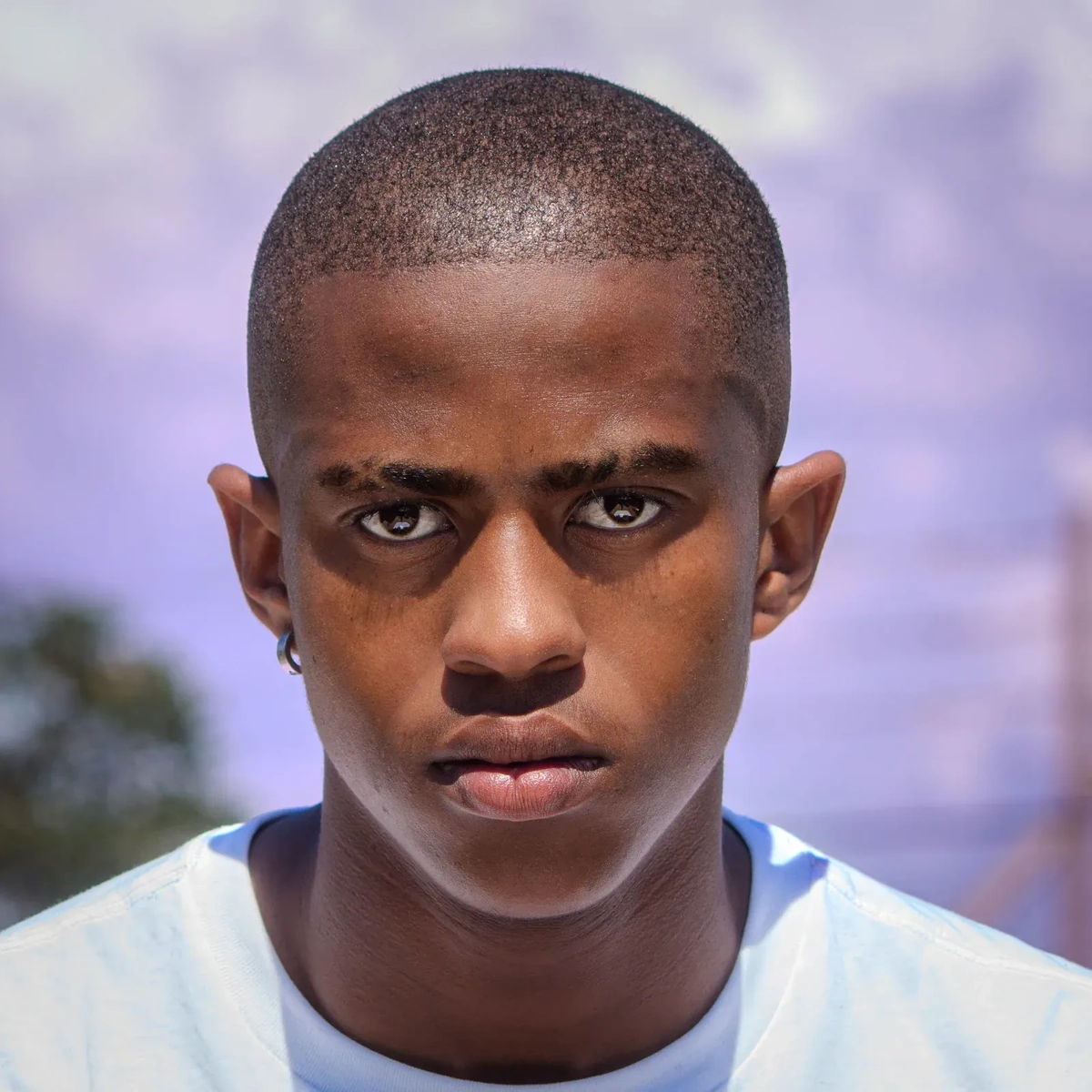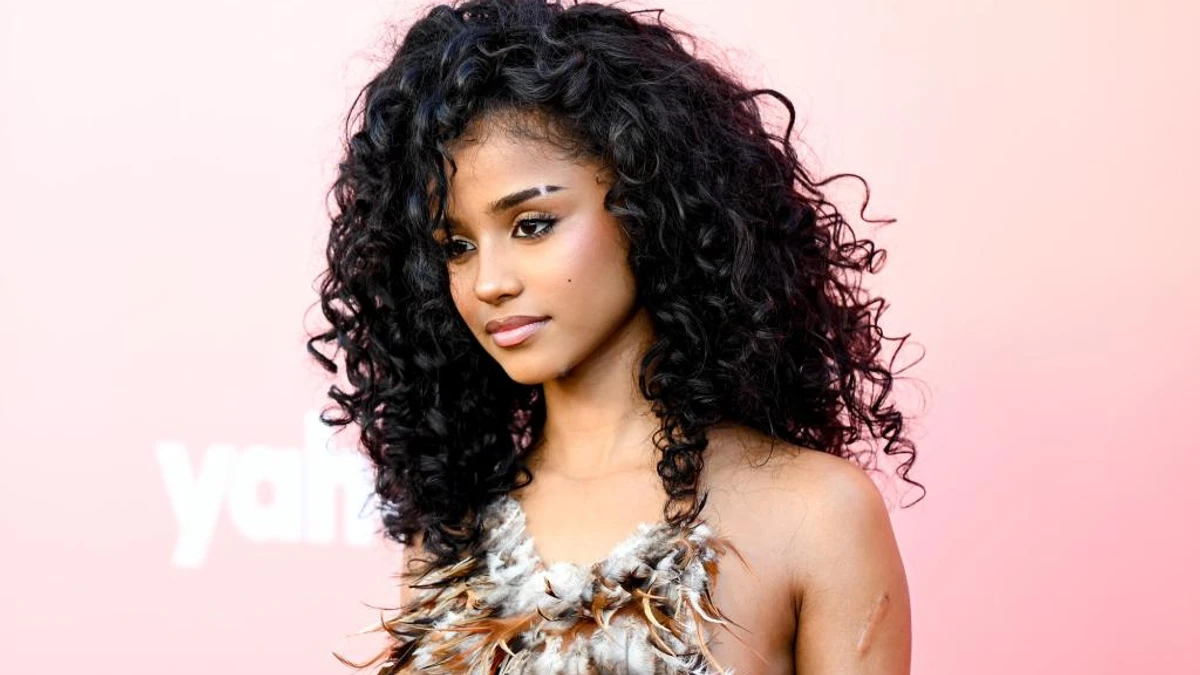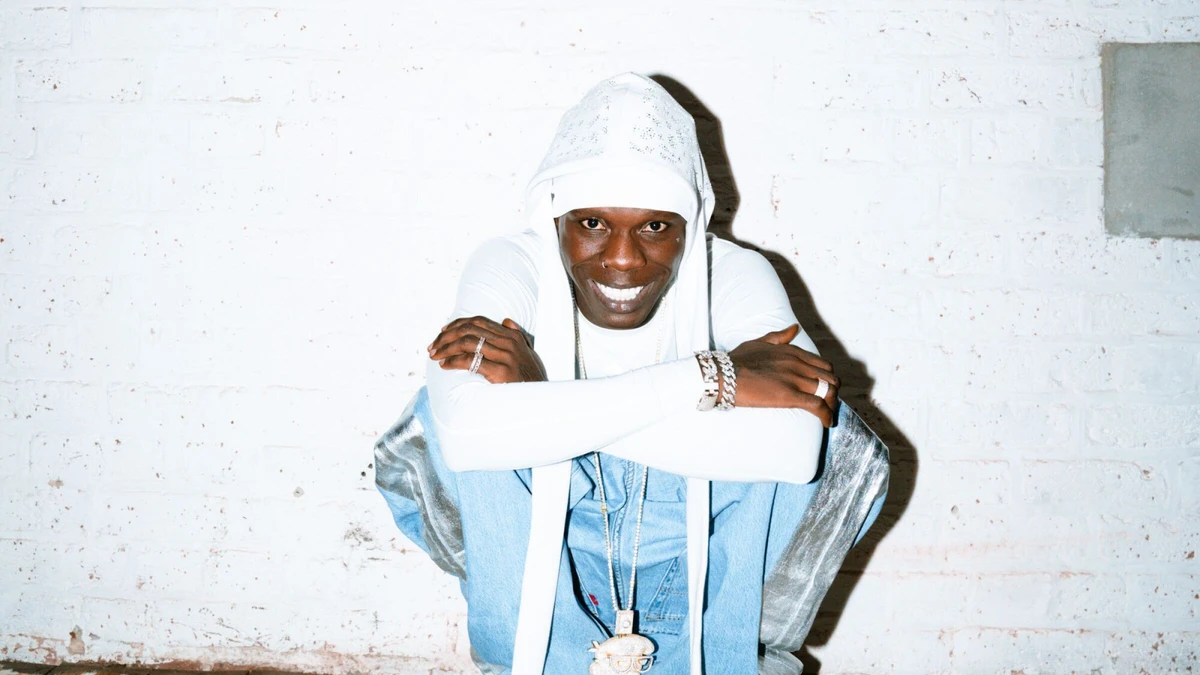

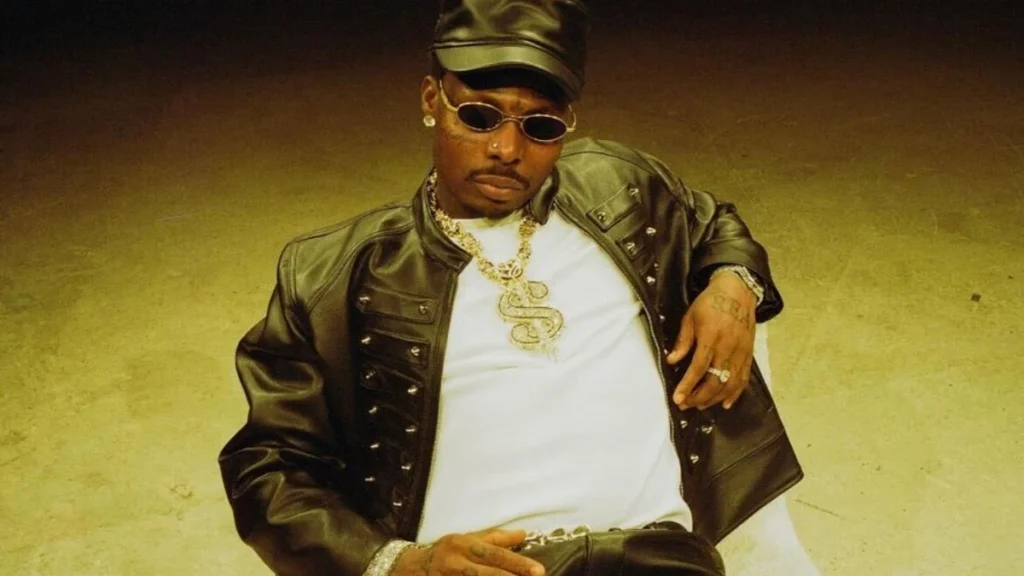
Asake, whose In God We Trust tour hands nine North American arena dates to amapiano.
Asake, whose In God We Trust tour hands nine North American arena dates to amapiano.
Asake’s In God We Trust tour runs to thirteen dates behind his album M$NEY, and nine of them belong to Uncle Waffles as well. The eSwatini-raised DJ and producer is the special guest on nine of the ten North American shows, every date from Toronto onwards, which puts amapiano on the same arena bill as Asake’s fuji-rooted Afrobeats for almost the whole leg.
The pairing arrives on the back of a record-setting album. M$NEY, released on 1 May through Asake’s own imprint, GIRAN Republic, in partnership with EMPIRE, took the most first-week streams of any album on Spotify Nigeria, with 42.2 million. The tour is the first chance for North American audiences to hear the new songs at arena scale, and the support slot says a good deal about how the record was made: the opener was chosen from the sounds on the album rather than from the local scene in each city.
Nine of the Thirteen In God We Trust Tour Dates
When the run was announced in May, Exclaim! published the full itinerary, with Uncle Waffles marked on most of the dates. The tour opened on 4 July with Asake’s appearance at Afro Nation in Portimão, Portugal, and the North American leg began at the Credit Union 1 Arena in Chicago on 20 August. Opening inside Afro Nation, one of the biggest Afrobeats festivals in Europe, gave the new songs a festival crowd before the arenas.
From there, every date carries the amapiano support. Toronto’s Scotiabank Arena on 22 August and Place Bell in Laval on 23 August have already been played. The run continues at the Barclays Center in Brooklyn on 26 August, the Tsongas Center at UMass Lowell on 27 August, Merriweather Post Pavilion in Columbia, Maryland on 28 August and State Farm Arena in Atlanta on 30 August.
September takes the pairing south and west: the James L Knight Center in Miami on 2 September, the Toyota Center in Houston on 4 September and the Greek Theatre in Los Angeles on 6 September, which closes the North American leg. That makes nine shared nights out of thirteen. The Afro Nation opener, the Chicago show and the two European arena dates are listed without Uncle Waffles.
Tickets went on general sale on 29 May after presales two days earlier. The Canadian pair, at Scotiabank Arena and at Place Bell in Laval, just outside Montreal, were the only stops in Canada on the itinerary.
What M$NEY Brings to the Stage
M$NEY is Asake’s fourth studio album and, according to BellaNaija, the most global-facing record of his career so far. It keeps the elements that made his name, high-energy beats, fuji influences and hooks that stay with you, while widening the circle of collaborators. Songs such as “Gratitude” and “Forgiveness” pair indigenous grooves and choral refrains with reflective melodies, while “Oba” leans into an R&B register. The album runs to 13 tracks and about 35 minutes, and it was supported by the singles “Why Love”, “BADMAN GANGSTA” and “WORSHIP”.
The guest list is where the album opens outwards. DJ Snake brings festival-ready production to “WORSHIP”, and Tiakola joins Asake on “BADMAN GANGSTA”, which samples Amerie’s 2005 hit “1 Thing”. Most relevant to this tour, the amapiano producer Kabza De Small features on “Asambe”, a track built to gather momentum and keep it.
The release also marks a change in how Asake works. M$NEY came out through GIRAN Republic, his own imprint, in partnership with EMPIRE, after his departure from YBNL Nation, the label that launched him. His debut album, Mr Money With The Vibe, set the record for the biggest opening day for an African album on Apple Music in 2022; four years on, M$NEY extended that run with a first week that no album had matched on Spotify Nigeria, passing the 35.8 million set by Wizkid’s Morayo.
Why Amapiano Fits This Bill
Amapiano is South Africa’s dominant dance sound, built on log-drum basslines, long builds and piano lines that drift over steady house tempos. Asake’s music comes from a different tradition, drawing on fuji, the Yoruba percussion and vocal style that gives his songs their call-and-response energy. Putting the two on one bill could look like a booking of convenience. Here it follows from the record itself.
Amapiano has spent the past few years moving from township parties and Johannesburg and Pretoria clubs onto international festival bills, and its biggest DJs now headline in their own right. That is part of why this support slot reads as a meeting of equals rather than a warm-up act.
Because Kabza De Small already appears on M$NEY, an amapiano set before Asake’s extends the album rather than sitting beside it. Audiences arriving for Asake hear the sound he chose to fold into his own music, played by one of its biggest names, before he takes the stage. It also puts two of Africa’s most successful musical exports in front of the same crowd on the same night, in rooms the size of the Barclays Center and State Farm Arena.
Who Uncle Waffles Is
Uncle Waffles is the stage name of Lungelihle Zwane, who was born and raised in Eswatini and moved to South Africa for university. Her rise was unusually fast. In October 2021 she filled in for a DJ who had pulled out of a set at the Zone 6 nightclub in Soweto, and a video of her dancing to Young Stunna’s “Adiwele” behind the decks went viral.
Her debut single, “Tanzania”, reached number one in South Africa in 2022 and later found its way into a dance break on Beyoncé’s Renaissance World Tour. In April 2023 she became the first amapiano artist to play Coachella, Billboard has called her the Princess of Amapiano, and she has held a residency on BBC Radio 1. DJ Mag profiled her as the amapiano champ, a fair description of a DJ who has done as much as anyone to take the genre onto international stages, and she has since toured the UK, Ireland, the United States and Australia.
That touring history matters for the In God We Trust tour. An arena support slot is a hard room to win: much of the audience is still arriving, and the set has to work for people who came for someone else. Uncle Waffles has spent the years since 2021 playing to exactly those crowds at festivals around the world.
What Comes After Los Angeles
The Greek Theatre on 6 September ends the North American leg and the shared billing with it. Asake then has a gap before the European dates in October, at The O2 in London on 15 October and the Accor Arena in Paris on 24 October, the last two shows of the In God We Trust tour as currently scheduled. Both are among the biggest indoor rooms in Europe, a measure of how far Asake’s audience has grown since his debut.
The North American run will be the measure of the pairing. If the shared nights work, they make a case for African headliners building their own support bills from the sounds on their records, rather than borrowing a local opener in each city. It has been a summer of African artists taking new music to large stages; our report on how Ayra Starr’s Starr Girl landed three weeks before Afro Fest followed another release timed to meet a festival crowd.
This article was AI-assisted and edited for accuracy.
About Author