
Toronto has one of the largest Nigerian diaspora communities in North America, and on 25 October it becomes the room where Nigerian music hands out its own prizes. The Headies, the country’s foremost music awards, are staging their 18th edition there, and it is the third time in the ceremony’s history that the show has left Nigeria.
What makes this one different from the previous two is the anniversary attached to it. The 18th edition marks twenty years since the awards began, in 2006, under the name The Hip Hop World Award. A twentieth birthday held abroad is a statement about where the scene now lives.
Toronto and Lagos, Running at the Same Time
The plan is not a straightforward relocation. Premium Times reported that the Toronto ceremony runs alongside a live watch party and selected award presentations in Lagos, so the two cities share the night rather than one replacing the other.
Headies founder and HipTV chief executive Ayo Animashaun put it plainly at the announcement: “The first thing is that we’re going to Toronto for the 18th Headies. The second thing is that we’re not just going to Toronto; we’re not leaving Nigeria behind. We’re going to have a watch party, we’re going to have a watch show, between Toronto and Lagos.”
He also confirmed a first for the awards: “For the first time, we’re having a training and investment summit.” That addition matters more than it sounds. An awards show is one night; a summit attached to it is an attempt to convert a ceremony into a trade route.
The Third Time It Has Left Home
The Headies first went abroad in 2022, when the 15th edition was held in Atlanta. It returned to Atlanta in 2023 for the 16th, both moves framed around the global rise of Afrobeats. Then it went home: the 17th edition ran in Lagos in 2025 under the theme Back to Base.
Read as a sequence, that is a ceremony testing where its centre of gravity should sit. Two years abroad, one year back, and now a return to the road with the anniversary attached. The announcement was made on 15 June at the Grand Ballroom of the Eko Hotel in Lagos, in collaboration with the Canadian Embassy, which tells you the move is a diplomatic and commercial arrangement as much as a cultural one.
Pulse Nigeria confirmed the date as 25 October, with the anniversary framing front and centre.
Who Is Actually Nominated
The nominations, unveiled in August, run across Afrobeats, R&B, alternative, hip-hop, inspirational and international categories. Arise News published the full list.
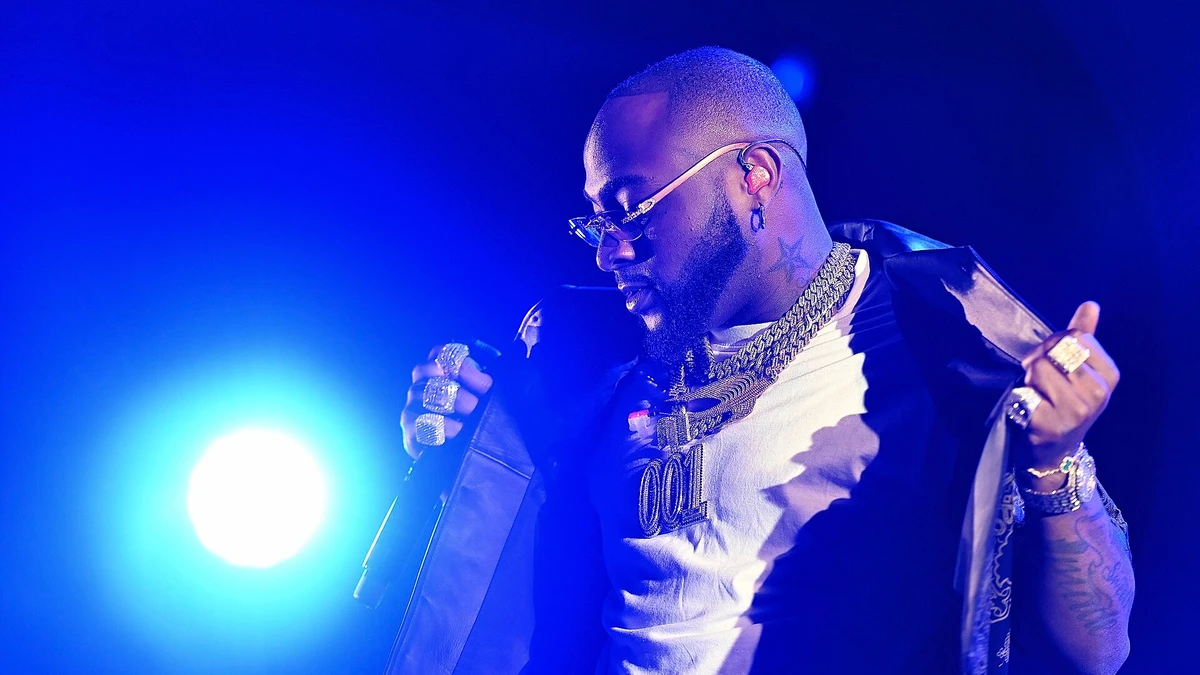
Afrobeats Album of the Year sets Davido’s 5ive against BNXN’s Captain, Omah Lay’s Clarity of Mind, Adekunle Gold’s Fuji, Wizkid’s Morayo and Burna Boy’s No Sign of Weakness. Afrobeats Single of the Year includes Rema’s “Fun”, Asake’s “Jogodo” and Shallipopi’s “Laho”.
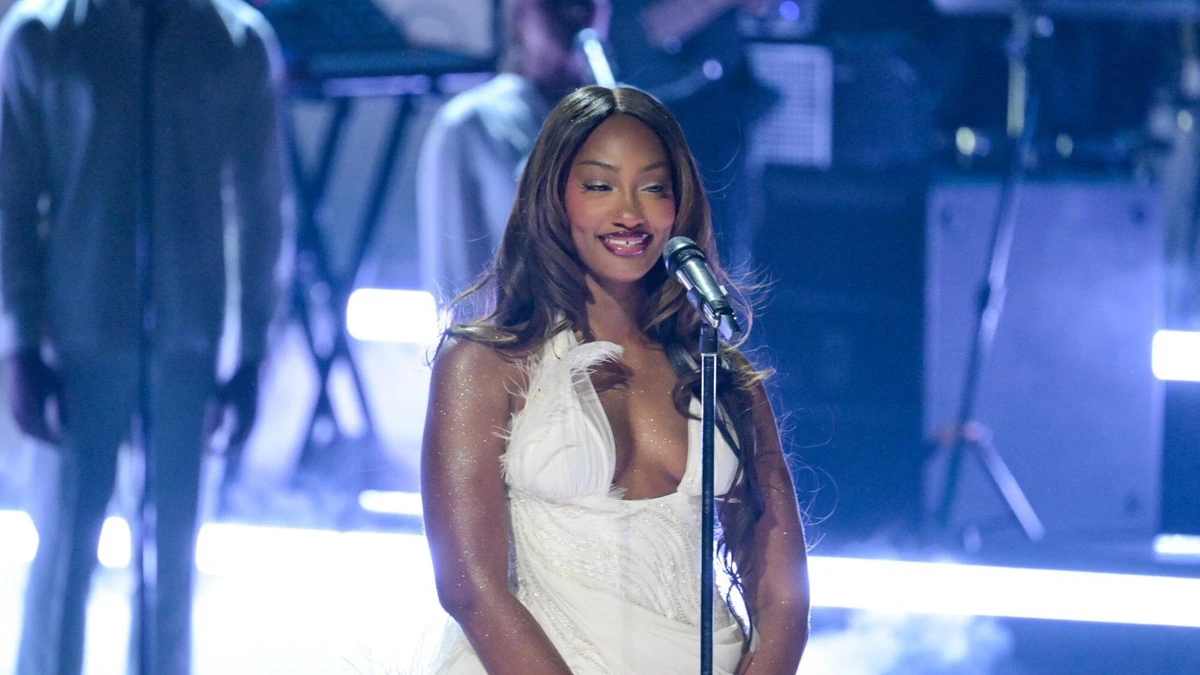
Best R&B Album is the category worth watching, because it is where the newer names are concentrated: Kunmie’s Before We Became Strangers, Fola’s Catharsis, Qing Madi’s I Am the Blueprint, Tems’ Love Is a Kingdom, Tay Iwar’s Reflection Station and Tiwa Savage’s This One Is Personal. Six albums, and only two of the six come from artists who were headline names five years ago.
The Next Rated shortlist, historically the category that predicts the next decade, holds Fido, Fola, Llona, Mavo and Shoday. Digital Artiste of the Year runs wider still, taking in Asake, Ayra Starr, BNXN, Chella, Fola, Mavo, Seyi Vibez and Wizkid.
The Live Category Is the Most Interesting One
Best Performer (Live) reads like a map of where the circuit currently runs. Adekunle Gold is nominated for a show at the National Theatre in Lagos, Asake for Red Bull Symphonic, Ayra Starr for the Global Citizen Festival, Johnny Drille for Johnny’s Room Live 6, and Ruger for a night at Indigo at The O2 in London.
Three of those five happened outside a conventional touring context: a national theatre, an orchestral collaboration, and a global festival stage. Only one is a straightforward headline show in a foreign city. For a scene whose export story is usually told through streaming numbers, a live category dominated by institutional and one-off stages says something specific about how these artists are actually being booked.
Best Alternative Album is the other category doing unusual work, with SDC’s Afrika Magik, Sewa’s Detox, BOJ’s Duplicity, Wizard Chan’s Healers Chapel, Scottyolorin’s Olorin Pack and Zaylevelten’s Then 1t Got Crazy. None of those will trouble the streaming charts. All of them are the reason the charts have anything new to absorb in three years.
Why the City Matters More Than the Country
It is worth being precise about the destination, because “Canada” is doing less work here than Toronto is. Awards ceremonies do not travel to countries; they travel to specific rooms, in specific cities, with specific audiences within reach of them.
Toronto’s relevance is that its Nigerian community is large, long-settled and concentrated enough to fill a venue on a Sunday in October without importing anyone. That is a different proposition from Atlanta, which the awards have already tested twice, and where the pull was partly the American music industry itself rather than the diaspora alone.
The distinction shapes what the night can be. A ceremony held near an industry is a networking event that happens to hand out trophies. A ceremony held near a community is a homecoming for people who left, which is a warmer room and a harder one to convert into deals. The summit strand looks like an attempt to have both, by putting the trade conversation in the daytime and the celebration at night.
There is also the practical matter of the calendar. Late October places the show after the northern festival season has closed and before the December run that pulls most of these artists back to Lagos. It is one of the few windows in which a Nigerian headline act is neither on a European stage nor preparing for the Detty December circuit, which is probably not a coincidence.
What a Summit Attached to an Awards Show Is For
The training and investment summit is the part of this announcement most likely to matter in five years and least likely to be reported. Awards ceremonies generate coverage; they do not generally generate infrastructure.
Animashaun’s framing at the announcement was about domestic capability rather than export glamour. “Every one of you here is trying to do something as an engineer,” he said, “and your neighbour, your friend, the guy next to you, thinks because you’re just an engineer, it’s not good enough. We want to patronise what is out there. Rather than look for what we’re not doing right, see the things we can do better and support us on this journey.”
That is a complaint about a specific bottleneck. A scene can export artists indefinitely while importing its engineers, mixers and production staff, and the money follows the skills rather than the passport. Attaching a training strand to the biggest night in the calendar is a cheap way to put that problem in front of the people who could fund it.
What the Move Actually Costs and Buys
The obvious loss is the room. A Lagos ceremony puts the artists in front of the audience that made them, and the watch show is a substitute rather than an equivalent. Anyone who watched the Atlanta editions knows that a diaspora crowd and a home crowd respond to the same jokes differently.
The gain is access to a market that already consumes the music but rarely hosts its institutions. Toronto’s Nigerian community is substantial and settled, and putting the ceremony there converts a listening audience into a ticket-buying one, with an embassy and a sponsorship structure behind it. The organisers named sponsorship arrangements as a factor in the choice, which is the honest version of the answer.
Whether the balance holds depends on execution rather than principle. A watch party in Lagos that feels like an afterthought will read as abandonment; one that carries real award presentations, as promised, reads as a genuine split. The circuit is increasingly transnational either way, as the touring patterns show, including the way Uncle Waffles takes amapiano into nine In God We Trust tour dates.
The 18th Headies take place in Toronto on 25 October, with a simultaneous watch show in Lagos.
About Author