
Ayra Starr has spent sixteen months feeding songs into an album that finally has a date. Starr Girl, her third studio record and first full project since 2024’s The Year I Turned 21, arrives on 14 August through Mavin Records, with support from Roc Nation and Republic Records.
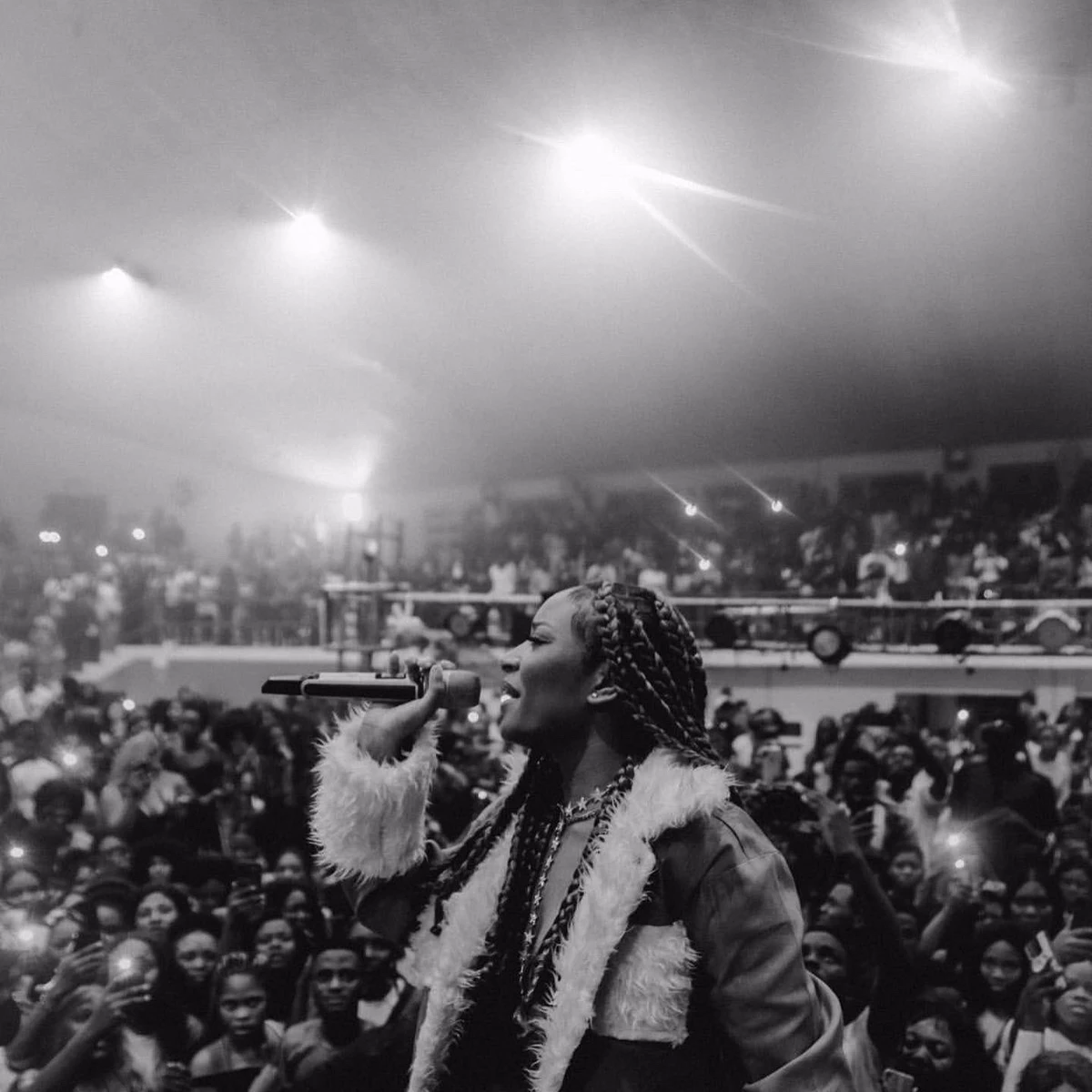
The timing is the part worth circling. Three weeks after release day she headlines Afro+ Fest in Maryland, and a week after that she is at All Points East in London. The album is not landing into a quiet stretch of her calendar. It is landing directly in front of the two biggest rooms she will play this year.
From a Talk-Show Reveal to a Fixed August Date
The record was announced in April during an appearance on The Jennifer Hudson Show, where she gave up both the title and an initial July window. That window moved. The date settled on 14 August, a shift of a few weeks that is unremarkable by industry standards but that left the campaign running longer than originally planned.
What the extra time produced was an unusually long singles run. Rather than a compressed six-week rollout, Starr Girl has been trailed across four separate release moments stretching back to spring 2025, which is closer to how a catalogue is built than how a modern album is marketed.
The gap since her last full project is part of the reason. The Year I Turned 21 landed in 2024 and did the work of establishing her outside Nigeria, and the two years since have been spent on singles, features and touring rather than on a quick follow-up. An album arriving on a fixed date after that stretch carries a different weight than a routine annual release.
The Four Songs Already Confirmed
Four tracks are locked in. “Gimme Dat”, her collaboration with Wizkid, arrived in April 2025 and went on to earn a Grammy nomination. “Who’s Dat Girl” followed in October 2025, her first official pairing with Rema and a record that leaned into dancehall-inflected Afro-pop. “Where Do We Go” came in March 2026, and lead single “Tornado” landed on 12 June.
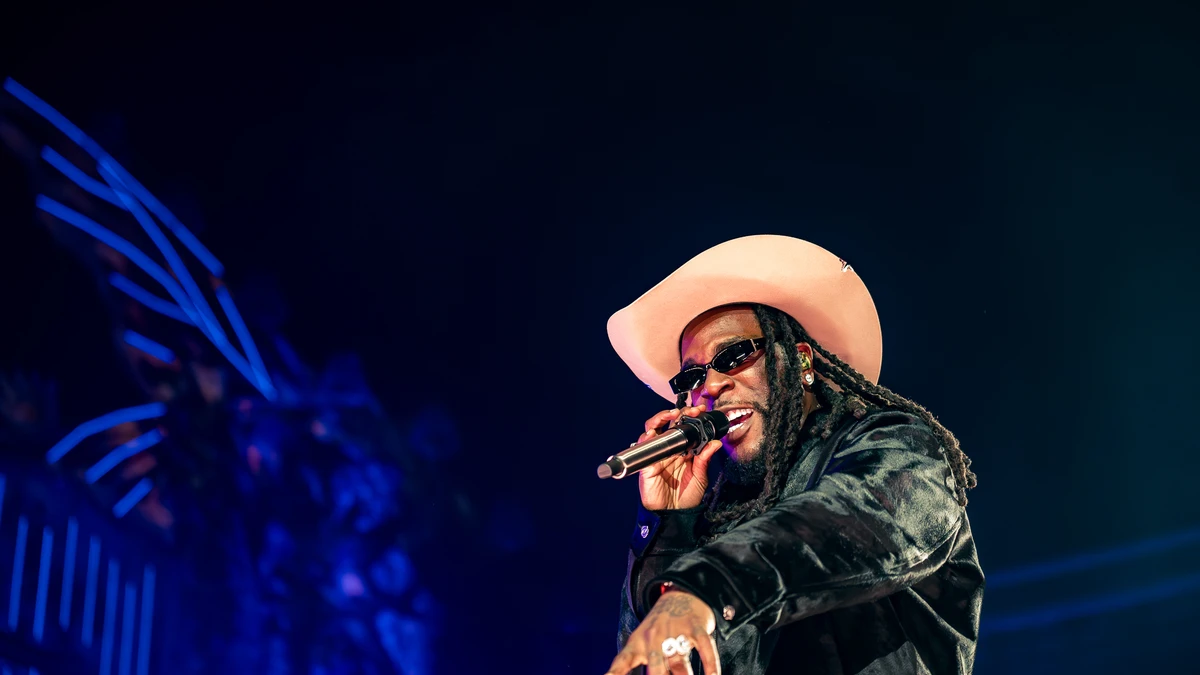
“Who’s Dat Girl” is the useful reference point for anyone trying to hear the record in advance. It paired her with Rema on a sultry, futuristic blend of Afro-R&B and pop, built on shimmering synths over a bassline pitched somewhere between a slow dance and a heartbeat. “Gimme Dat” pulled in a different direction entirely, and its Grammy nomination gave the campaign an early credential that most album rollouts never get.
Taken together they cover more stylistic ground than a single-genre album would need, which appears to be deliberate. Describing the record, Ayra Starr has framed it around the idea of “existing in multitudes”, with the material moving between Afrobeats, R&B and dancehall-influenced pop rather than settling into one lane.
What Tornado Signals About the Record
“Tornado” is the clearest read on where Starr Girl sits. Co-produced by Skillies, Shizzi and RiotUSA, it is a confident, celebratory Afrobeats record built on Latin-leaning percussion, and its subject is self-possession rather than romance. The writing is direct to the point of being funny about it, as on the line “Inflation, I’m the price they wanna beat”.
The rest of the writing holds the same line. She calls herself the girl they want to be, insists her figure is no fable, and describes treating every day as though it were a new year. It is a record about occupying a room rather than asking permission to enter it, which is a reasonable thesis for an album named after yourself.
She had already tested it in the least forgiving setting available, previewing the unreleased song during her NPR Tiny Desk session before it was officially out. The single was then launched with a listening event staged around an illuminated white star, a motif that runs through the whole campaign.
The Cover, the Gele and the Team Behind It
The artwork does a lot of work. Shot by the Paris-based photographer Axle Jozeph and produced by Oyinkan Adeshoye, it places her against black in a purple gele, arm extended into a magenta starburst. Peter Famosa, Richie Igunma and Ola Badmus are credited as creative directors.
The gele is the detail that has travelled furthest online, and it is a pointed choice for a record being released simultaneously into Lagos and into American festival season. It roots a deliberately futuristic image in something specifically Nigerian rather than smoothing the edges for an export audience.
Three Weeks Later, a Festival Headline in Maryland
Afro+ Fest runs from 4 to 6 September at the Northwest Stadium Complex in Landover, Maryland, across the Labor Day weekend. Ayra Starr and Tems were added as headliners in July, joining a bill announced earlier in the year, and organisers expect attendance to pass the 20,000 who turned out for the 2025 debut edition.
The event is built as more than a stage. Across the three days the programming takes in Black-owned businesses, food vendors, fashion and art alongside the music, which is why organisers describe it as a cultural weekend rather than a concert series. The 2025 debut established the format; the 2026 edition is the one being asked to scale it.
Michael Awosanya, the festival’s founder and executive producer, put the booking plainly: “You can’t talk about where global culture is right now without Tems and Ayra Starr”. For an artist releasing an album on 14 August, a headline slot three weeks later is close to ideal sequencing, giving the new material just enough time to reach an audience before it is played to a stadium crowd.
It also continues a pattern that has defined the past two festival seasons, in which African artists are no longer imported onto European and American bills as novelty bookings but placed at the top of them. The same shift was visible across the amapiano takeover of this year’s festival circuit, where the scheduling told the story as clearly as the crowds did.
What Is Still Rumour Before Release Day
With under two weeks to go, there is no official tracklist. Titles have surfaced from listening sessions and leaks, and several high-profile features have been reported without label confirmation, but none of it is settled until Mavin publishes the running order.
That gap is worth treating carefully. A reported feature is not a booked one, and album credits routinely change between a listening session and a release. What is verifiable today is a date, a label, four songs, an artwork and two live dates, which is a firmer foundation than most albums have at this stage of a rollout.
There is a broader point in the sequencing too. An artist at this level releasing in mid-August, then playing London and Maryland inside a month, is running a campaign that assumes the audience is already in place on both continents. Ten years ago that assumption would have been optimistic. For a Nigerian pop record in 2026 it is close to routine, which is itself the story.
For listeners, the practical version is simple. Four songs are already streaming, so the album is partly audible before it exists. On 14 August the rest arrives, and by 6 September it will have been tested in front of a stadium. Few Afrobeats releases this year have a clearer path from release day to a live audience.
About Author